In this article
- What really changes between iPhone "base", Pro, Max/Plus and SE
- How to choose based on your use (not the hype)
- Technical section: chip, battery, 5G and updates (what really matters)
- Storage and display size: the two decisions that are hardest to correct
- Price and timing: when it makes sense to buy the latest (and when it doesn't)
- What to do now
- Frequently asked questions
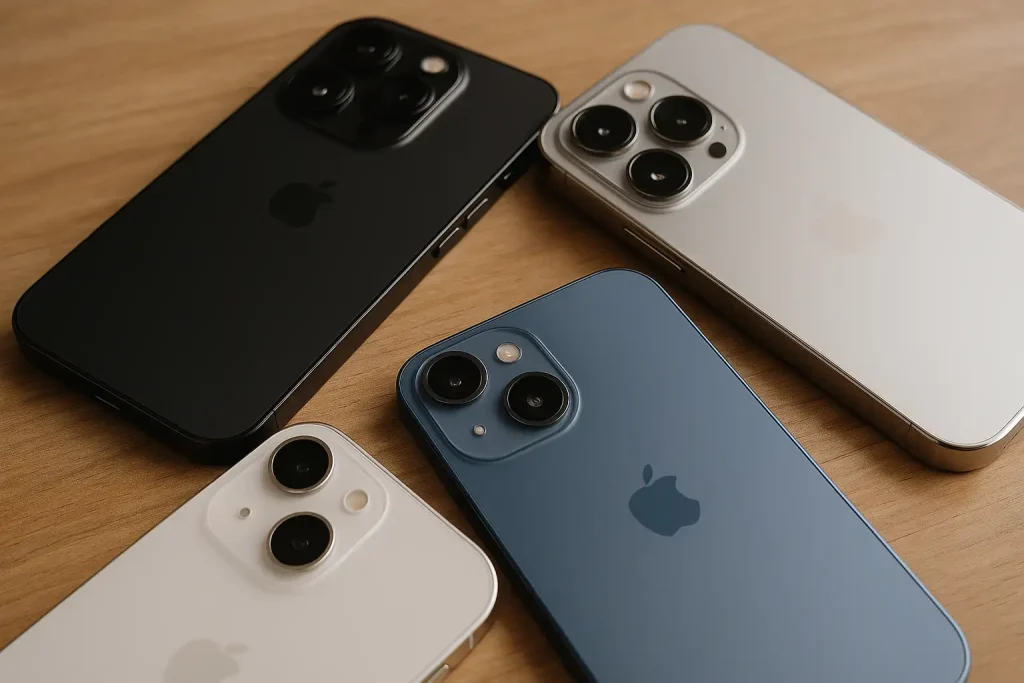
What really changes between iPhone "base", Pro, Max/Plus and SE
Before choosing, it's worth translating the nomenclature into practical impact:- Base models: typically the best balance for everyday use (messaging, social media, casual photography, day-to-day apps).
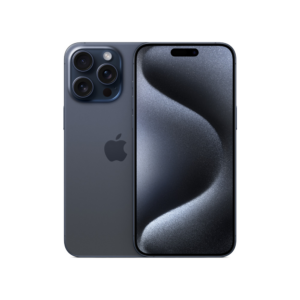
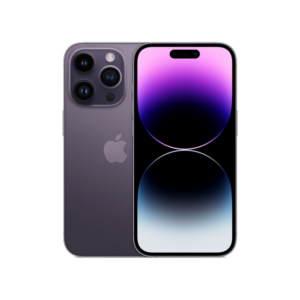
- Pro: typically where Apple places the most comprehensive cameras and advanced imaging features. In simple terms, it's the line designed for those wanting more control and consistency in photography and video.
- Max/Plus: the focus is on the larger display and, almost always, more battery life (more physical space for the battery). Ideal for those who consume lots of video, game or work on their phone.
- SE (when available in the catalogue): the entry point to iOS at a more affordable price, typically sacrificing display/camera/some newer technologies.
How to choose based on your use (not the hype)
If the question is which iPhone to buy in 2026, start by classifying yourself in one of these profiles:- Photography and video: prioritise the Pro line. The advantage isn't just "more megapixels"; it's consistency in low light, lens versatility and better capture control. If you record frequently, also check whether the model supports the video formats and resolutions you use (for example, 4K).
- Battery life above all: look for the larger variants (Max/Plus). A larger display consumes more, but the larger battery usually makes up for it, especially with intensive mixed use.
- Practical use and small hands: compact models (like "Mini", when they exist) are great for ergonomics, but historically tend to compromise battery life. In 2026, if there's no "Mini" in the lineup, the alternative is to choose the smallest size available in the current generation.
- Controlled budget: an iPhone from 1–2 generations back can be the smartest purchase, provided the battery is in good condition and the price reflects the age of the equipment.
Technical section: chip, battery, 5G and updates (what really matters)
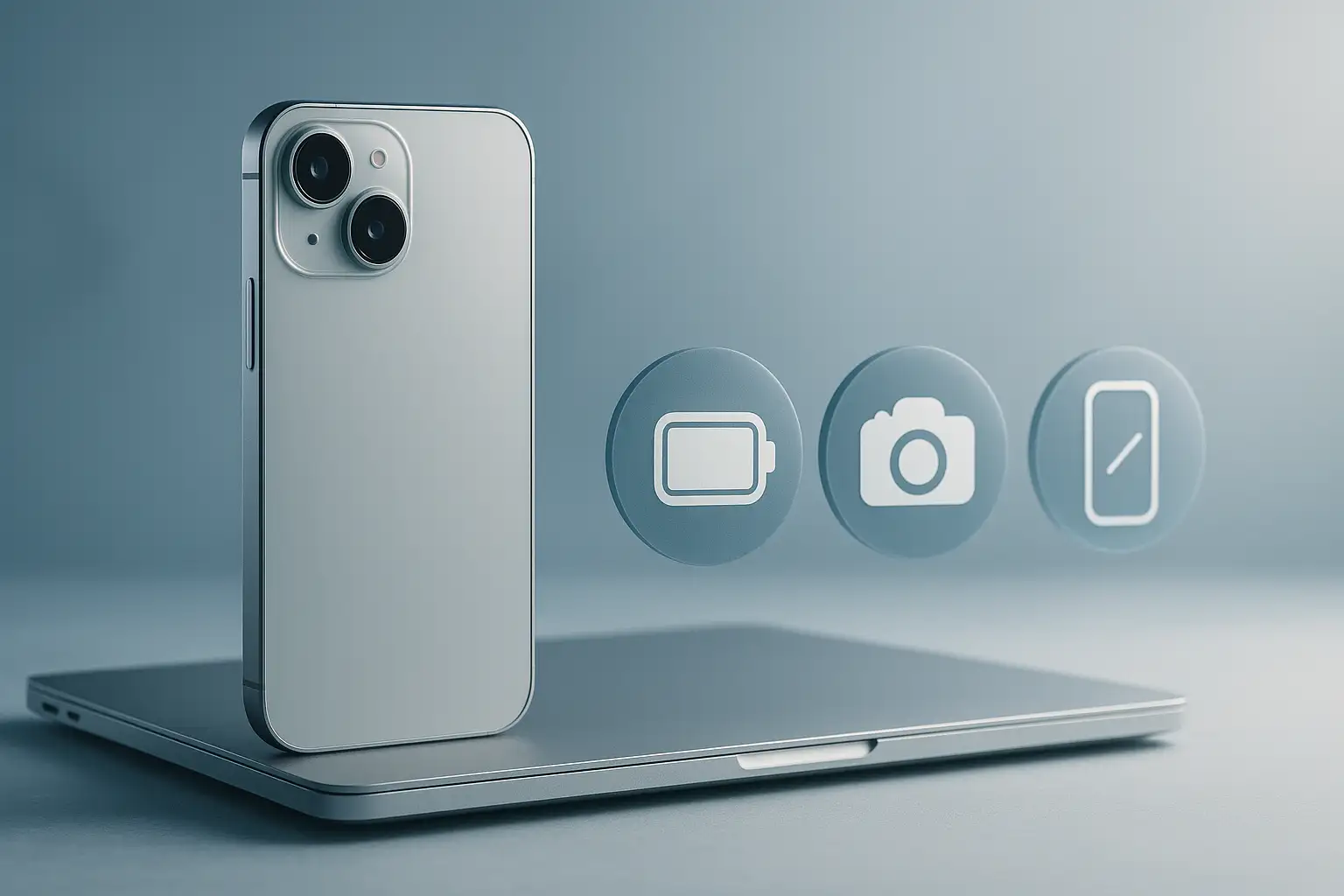
This is the least "sexy" part, but the one that most determines whether your iPhone will age well.- Chip (SoC): it's the iPhone's "engine", responsible for performance and efficiency. For multitasking, games and heavy apps (video editing, computational photography), a newer chip tends to maintain smooth performance for more years.
- Battery: more than theoretical capacity, what matters is health status (degradation with charge cycles). In a used/refurbished iPhone, a weak battery can ruin the experience, even on a powerful model.
- 5G: by 2026 it's already a given across much of the range. The question is less about "having 5G" and more about the consistency of the network where you live/work and the impact on battery consumption.
- iOS updates: the longevity of your iPhone depends on receiving recent system versions and security patches. Apple centralises information about iOS and its versions on the official system page.
Storage and display size: the two decisions that are hardest to correct
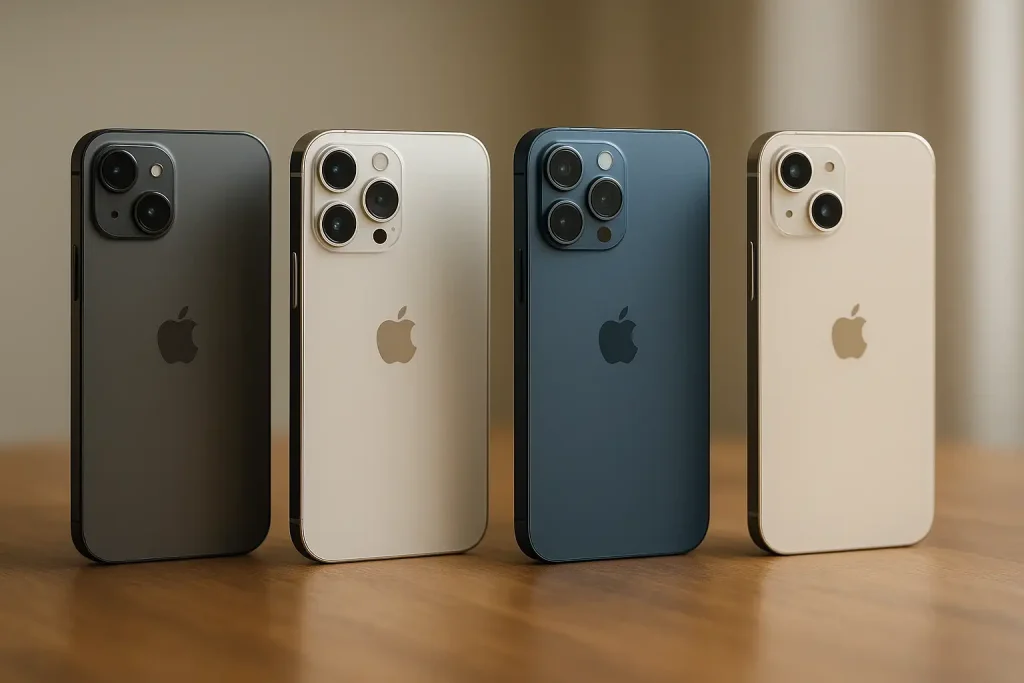
There are two choices that, made incorrectly, force you to make daily compromises:- Storage: if you take lots of photos, record video in 4K or use heavy apps, space disappears quickly. The alternative is to rely on cloud, but that requires discipline, network connection and often a subscription. If you're unsure, it's better to go up a storage tier than to buy "the minimum" and live with constant management.
- Display size: larger displays are better for reading, maps, video and productivity; smaller displays win on ergonomics and portability. The "best" is what you can comfortably use with one hand and without fatigue.
Price and timing: when it makes sense to buy the latest (and when it doesn't)
Buying the latest iPhone in 2026 can make sense if:- you want to maximise years of updates and resale value;
- you need the latest improvements in camera, display or efficiency;
- you're coming from a very old model and feel clear limitations (battery, performance, compatibility).
What to do now
- List 3 priorities (e.g. camera, battery, size) and eliminate the rest.
- Choose the family: base (balance), Pro (photo/video), Max/Plus (battery life/display), SE (essential).
- Set minimum storage based on your photo/video usage.
- Validate the battery (especially in used/refurbished) and the equipment history.
- Compare price vs. generation: if the difference to the latest model is small, it can be worth it for longevity; if it's large, the previous generation can be the rational purchase.
Frequently asked questions
Which iPhone to buy in 2026 for photography and video?
As a general rule, an iPhone from the Pro line is the soundest choice for photography and video, as it offers a more comprehensive set of cameras and advanced capture features.
Is it worth buying the latest iPhone in 2026?
It is if you want to maximise years of updates, resale value and the latest improvements. If budget is a priority, a model from 1–2 generations back can offer better value for money.
What's the best iPhone in 2026 for battery life?
Typically, the larger models (Max/Plus) deliver more battery life, because they have more space for the battery. Still, battery health is decisive in used equipment.
How much storage should I choose for an iPhone in 2026?
It depends on your use: if you record lots of video (especially in 4K) and take many photos, you should avoid minimum storage. If you use cloud, you can balance, but it requires network and management.
Is an older iPhone still worth it in 2026?
It can be worth it if it has a healthy battery, a price adjusted for its age and sufficient iOS support for your usage horizon. The biggest risk is buying cheap and being limited by battery and storage.
Get more articles like this one.
Refurbished tech analysis + €5 with BEMVINDO5 on your first order.
Tecnologia recondicionada com garantia
iPhones, MacBooks, iPads e mais — testados e certificados com 24 meses de garantia.
24-month warrantyShipping up to 8 business days
Ver produtos →