
In this article
Global Overview
In recent years, computational photography has dominated: more automation, more HDR, more algorithmic "magic". The 17 Ultra tries to balance that trend with an almost "retro" idea: giving the user tactile control back. A physical ring is not just aesthetic; it is ergonomics and muscle memory. Instead of hunting for sliders on the screen, the gesture becomes immediate, handy when shooting on the move or wearing gloves. At the same time, Xiaomi keeps the flagship formula: a latest-generation processor, a fast screen (120 Hz) and a generous battery. The result, at least on paper, is an Ultra that wants to be both a creative tool and a no-compromise flagship for content consumption.Architecture & Specifications
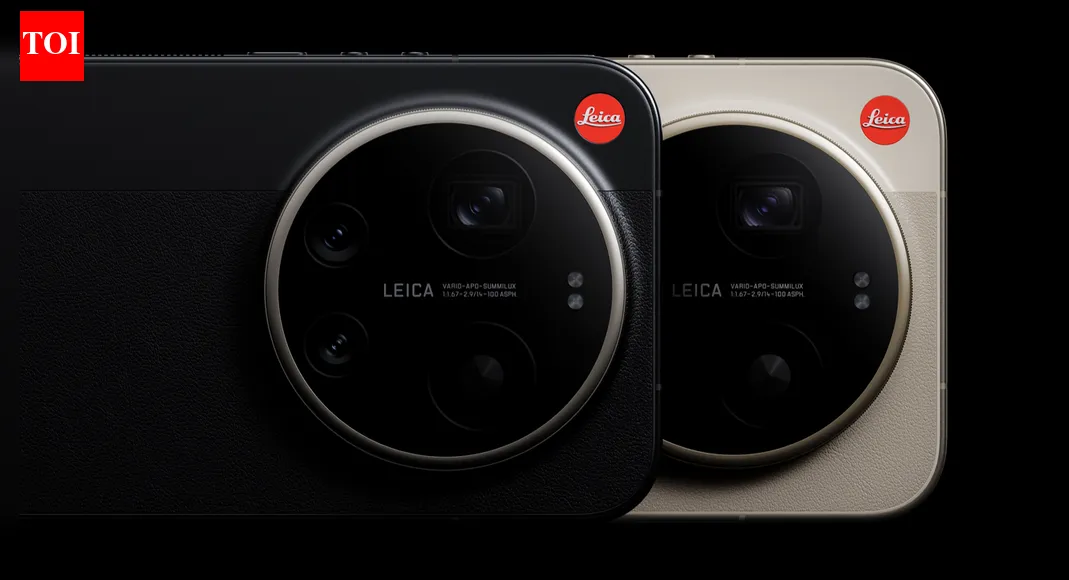
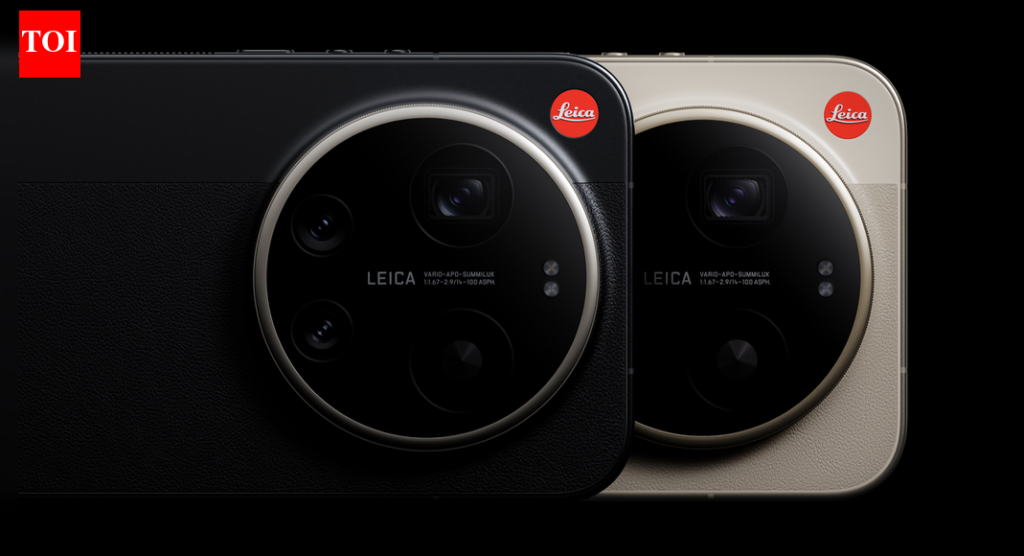
The rear setup is triple and comes with Leica branding. The main camera is 50 MP and uses a 1-inch sensor (Light Fusion 1050L). A larger sensor tends to capture more light per pixel (depending on binning and processing), which can improve noise, dynamic range and subject separation, especially indoors and in low light. The technical highlight is the 200 MP periscope telephoto lens, with continuous optical zoom between 75 mm and 100 mm (equivalent). "Periscope" means the lens uses an internal prism or mirror to bend the light path, allowing a longer focal length without making the body much thicker. In practice, this can deliver more natural-looking portraits and more pleasing background compression, as well as greater flexibility for street and travel photography. The third camera is an 50 MP ultrawide with autofocus, which typically opens the door to more capable macro shots (without relying on dedicated sensors). Up front, Xiaomi claims a flat LTPO AMOLED display measuring 6,9 inches, running at 120 Hz and with a peak brightness of 3.500 nits. LTPO is a panel technology that allows the refresh rate to vary more efficiently, reducing power consumption when 120 Hz is not needed. Under the hood sits the Snapdragon 8 Elite Gen 5, with options up to 16 GB of RAM and 1 TB of storage, running HyperOS 3.0. The battery is 6.800 mAh (silicon-carbon) with 90 W wired charging and 50 W wireless. "Silicon-carbon" refers to a chemistry or anode that can increase energy density compared to traditional approaches, allowing more capacity without growing as much in volume, though real-world behaviour depends on thermal management and charging profiles. Despite being touted as the largest battery in a brand Ultra, the quoted thickness is 8,29 mm. For durability, ratings of IP66/IP68/IP69 appear, covering dust, water jets and more demanding scenarios (exact interpretation depends on test conditions and the manufacturer).Practical Advantages
The physical ring on the Leica Edition is the element that changes the experience most. According to the information released, it uses 20 precision bearings and detects very small movements (0,03 mm). More important than the number is what it suggests: low friction, consistent response and fine control. Xiaomi also says that rotating the ring can open the camera automatically and that the user can assign functions such as exposure compensation or manual focus. Out on the street, this could mean less time between "I saw the shot" and "I captured the shot". In portraits, manual focus control can help select the exact plane of sharpness when autofocus hesitates. In video, a well-calibrated ring can make focus pulls smoother, though it remains to be seen how the software maps rotation to focus or zoom steps. The continuous optical zoom between 75 mm and 100 mm is also an interesting choice. Instead of jumping between fixed focal lengths, the promise is a more natural transition within that range, potentially with less reliance on digital zoom. For anyone shooting people, events or architectural details, that range is especially useful.Limitations & Challenges
There are three points where it is wise to moderate expectations. First, "200 MP" does not automatically mean better image quality; it often involves binning (combining pixels) and depends on sensor size, lens quality and processing. Second, the brightness of 3.500 nits is a peak value, usually in small windows and for limited time; the outdoor experience depends on sustained brightness and thermal management. Third, the physical ring is only as good as its software integration. If there is latency, uneven steps or conflicts with on-screen gestures, the appeal fades. Additionally, a large camera module can affect ergonomics (hand balance, stability on a table) and increase the risk of direct impacts on the optical assembly. Finally, there is the practical question for anyone outside China: availability, bands and local support were not detailed in the source text. For now, the announcement is clearly focused on the Chinese market.Competition & Pricing
The announced prices in China start at CNY 6.999 for the Xiaomi 17 Ultra and at CNY 7.999 for the Leica Edition, with sales starting 27 December (in the Chinese market). Once converted to other currencies, these values vary with exchange rates and taxes, so they make more sense as a positioning reference: the Leica Edition commands a premium for the physical experience, a two-tone design inspired by Leica M cameras and exclusive "film simulations". If Xiaomi can make the ring genuinely useful day to day, and not just a gimmick, it could create a rare point of differentiation in a segment where many flagships feel like variations on the same theme. For editorial transparency, the original story is at original source. For additional context on the site, see also ring for photography.FAQ
- Does the physical ring come on every version of the Xiaomi 17 Ultra?
- The source text links the physical control ring to the "17 Ultra by Leica Edition". The standard version appears without that feature highlighted, so the safest reading is that the ring is a differentiator of the Leica Edition.
- What does "continuous optical zoom" between 75 mm and 100 mm mean?
- It means that, within that range of equivalent focal lengths, the zoom can vary progressively (rather than jumping between fixed values). In practice, it can reduce reliance on digital zoom in that segment.
- Does a 1-inch sensor guarantee better photos?
- It helps, because it tends to capture more light and offer better latitude in difficult scenes. Still, the final quality depends on the lens, stabilisation, processing and how the auto mode behaves.
- Are the 3.500 nits the real sustained brightness?
- It is a claimed peak value, usually achieved under specific conditions and for limited periods. What influences everyday outdoor use more is the sustained brightness and how the phone manages temperature and power consumption.
- What is a "silicon-carbon" battery and why does it matter?
- It is a battery approach that can increase energy density, allowing more capacity in the same volume. The real-world impact varies with implementation, including thermal management and charging profiles.
- Is there confirmation of a launch in Portugal or Europe?
- No. The information provided refers to a launch and sales in China. Without additional data, it is not possible to confirm availability in other regions.
Get more articles like this one.
Refurbished tech analysis + €5 with BEMVINDO5 on your first order.