Global View
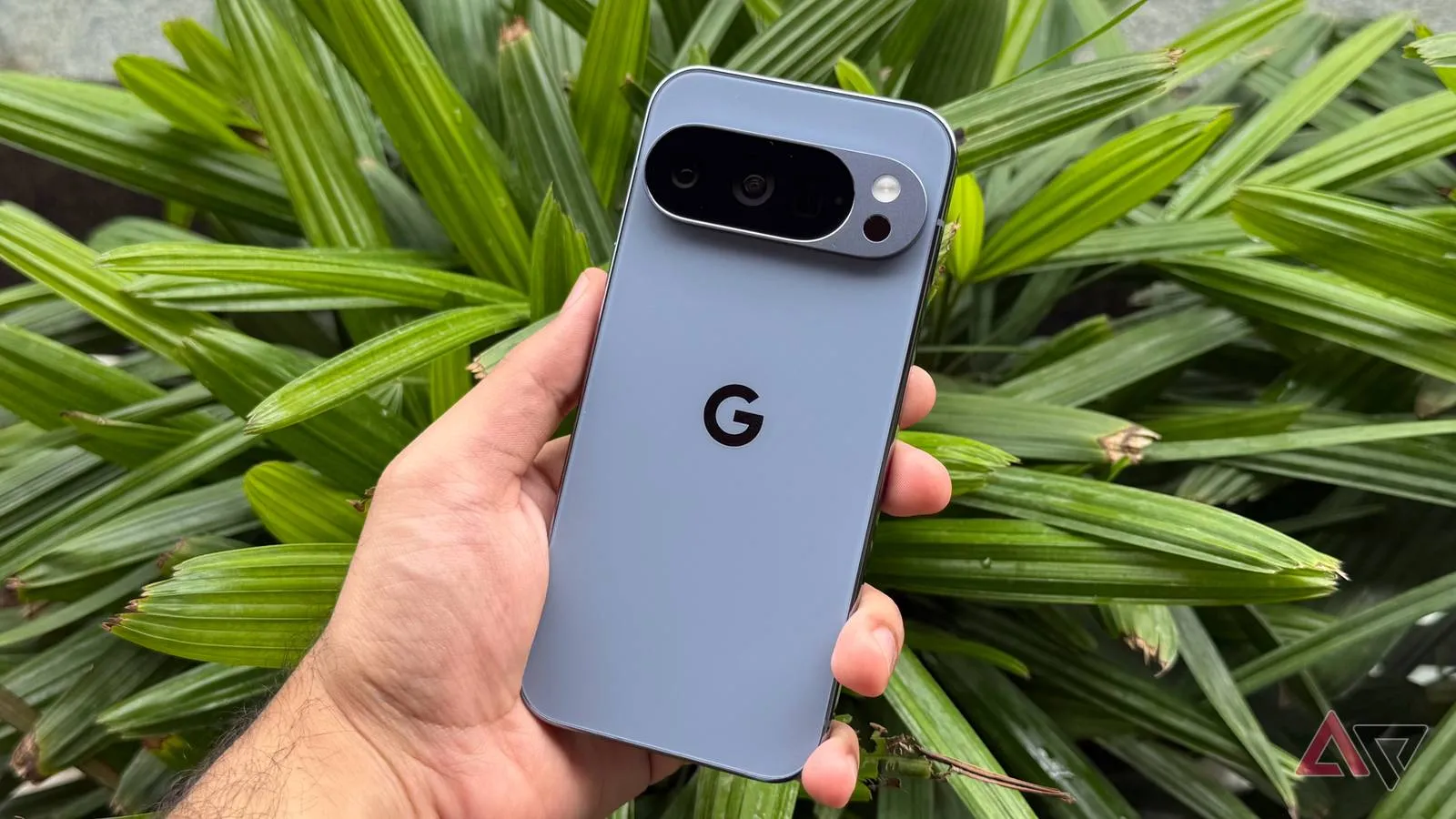
The central thesis is simple: Google got the “whole” right (software, integration, and visual consistency), but continues to fall short on the pillars that define a flagship smartphone. In 2025, the bar has risen: rivals deliver richer audio, more efficient chips, and cameras with more distinctive signatures. When the difference is no longer just about “features” but about reliability and refinement, small flaws become decisive. The original text is opinionated and based on real-world use, but raises a relevant point for 2026: Pixel maturity requires fewer “experiments” in production and more foundational engineering. For editorial transparency, the original piece is from Android Police.Technical Details
1) Speakers: The Intangible You Notice Every Day. Speakers are often undervalued in reviews, but they affect speakerphone calls, short videos, games, and watching series without headphones. The critique here is qualitative: sound that is “muffled” and lacks depth. Technically, this usually results from a combination of limited internal volume, conservative DSP (digital signal processing) tuning, and design priorities (thinness, sealing, water resistance) that sacrifice the acoustic chamber. Even without numbers, the message is clear: on a flagship, the multimedia experience must not feel “small”. 2) Computational Photography: Consistency vs. Personality. The “camera pipeline” is the series of stages between the sensor and the final photo (HDR, noise reduction, tone mapping, colour, sharpness). Pixels earned their reputation for predictable, natural results, especially in difficult scenes. The problem, in 2025, is that predictability is beginning to sound like a lack of evolution. The most interesting suggestion is to give the user more control: colour profiles and shadow/highlight adjustments. This doesn’t need to turn the Pixel into a complicated “Pro mode”; it could be a simple layer, like “Natural / Vivid / Cinematic”, with short, reversible sliders. 3) Tensor: The Part Software Alone Can’t Fix. The article mentions improvements in the Tensor G5 (including the move to TSMC) with gains in cellular reception and heat management, but still falling short of other flagships in performance. Here it’s important to separate the concepts: performance is speed in tasks and games; efficiency is doing the same with less energy and heat. When efficiency fails, symptoms the user feels appear: overheating, throttling (automatic performance reduction), and inconsistent battery life. The expectation placed on the future Tensor (e.g. “Pixel 11”) is for a more visible leap; otherwise, the awkward question returns: why not use third-party platforms?Limitations & Challenges
4) Bugs and Regressions: The Hidden Tax of Updates. The harshest criticism is not about a specific bug, but about the feeling of instability: one week everything is fine, the next week something breaks. In engineering terms, this usually points to insufficient testing in real-world combinations (carriers, regions, accessories, apps), dependencies between components, and quick fixes that create side effects. For the user, the cost is both psychological and practical: they lose confidence in updating and in recommending the device. If Google wants the Pixel to be “iPhone-like” in predictability, it needs to reduce regressions, shorten the time between detection and fix, and communicate better about what has been fixed. 5) Mid-Range and Form Factors: Identity, Not Just a Cheaper Pixel. The text suggests the A-series has fallen behind and lost its “charm”, despite large batteries and an aggressive price. The risk is that the mid-range becomes a compromise product: good software, but a dull screen and processor, and few reasons to choose it over a rival. The editorial proposal is twofold: (a) strengthen the processor and screen, because they are the components that most define fluidity and longevity; (b) create a distinct identity, with clear choices (compact, battery life, photography) rather than copying the flagship with cuts. In parallel, there is a desire for a Pixel Flip in the style of the “Razr”: a clamshell foldable with clean Android and Pixel photography. The hinge, durability, and thermal management are the obstacles, but the form factor could be the quickest way for Google to appear daring again.What This Means For The User
If you are considering a Pixel today, these five criticisms help calibrate expectations. Those who value audio without headphones may want to test the sound before deciding. Those who buy a Pixel for the camera should ask themselves whether they prefer “consistency” or a “signature”, and whether the lack of creative controls matters. Those sensitive to bugs should adopt a simple rule: wait a few days before installing major updates, especially at launch, and keep an eye on release notes and support threads (Google centralises a lot of information at Google Support). There is also a practical point rarely discussed: when the experience is inconsistent, purchase policies matter. If an update or a manufacturing defect spoils daily use, it helps to know the terms and conditions for support and returns. In the editorial context of iOutlet, it is worth having the warranty conditions and returns rulespages at hand, as well as the applicable timeframes.Future Prospects
The wishlist for 2026 is, at its core, a call for maturity: fewer surprises, more consistency. If Google tackles the Tensor with real efficiency gains, strengthens QA (testing) to reduce regressions, and gives new life to the A-series, the Pixel could stop being “the phone I love despite…” and become “the phone I recommend without reservation”. A Pixel Flip, if it arrives, would be the most visible sign of that ambition, but credibility will continue to be decided on the basics: stability, battery life, and the multimedia experience.FAQ
- What does “camera pipeline” mean on a smartphone?
- It is the processing chain between the sensor and the final photo (HDR, noise reduction, colour, sharpness and tone mapping), including algorithms and post-capture AI.
- Why can a phone’s speakers sound “muffled” even when it is expensive?
- It is usually a combination of physical limitations (small acoustic chamber), conservative DSP tuning, and design priorities (thinness, sealing, water resistance) that reduce depth and separation.
- What is “throttling” and how do you notice it day to day?
- It is the automatic reduction of performance to control temperature and power consumption. You notice it in drops of smoothness, heat spikes, and games or apps that become slower after a few minutes.
- If bugs are a recurring problem, should I avoid updates?
- Not necessarily. A sensible practice is to wait a few days after major updates, check user feedback, and install incremental fixes when they appear, especially if the phone is a work tool.
- What would give an A-series a “distinct identity”?
- Clear and consistent choices (for example: compact and efficient, or maximum battery life, or a focus on photography) with a balanced screen and processor, rather than just being a “flagship Pixel with cuts”.
- Would a Pixel Flip be just a design question?
- No. It requires hinge engineering, flexible screen durability, thermal management, and software optimisation for the form factor, as well as maintaining the photographic quality typical of Pixels.
If you prefer a Pixel at a good price, check out the refurbished Google Pixel phones from iOutlet, tested and with a warranty.
In this article
Get more articles like this one.
Refurbished tech analysis + €5 with BEMVINDO5 on your first order.