In this article
- Global overview: what the 2026 list tells us about water‑proof Android smartphones
- Technical details: IP68 vs IP69 (and why “water‑proof” is not the same as “impervious”)
- Real‑world use cases: which user profile benefits most from water‑proof Android phones
- Limitations & challenges: warranty, repairs and the “hidden cost” of watertightness
- What changes for the user: a quick guide to choosing (without falling for marketing)
- Next steps: how to buy with less regret
- FAQ
Global overview: what the 2026 list tells us about water‑proof Android smartphones
The original selection points to a clear trend: water resistance is “dropping” in price and becoming specialised by profile. There is a model focused on overall balance (OnePlus 15), a value‑oriented one (Moto G Power 2025), two flagships that bet on photography and software (Samsung Galaxy S25 Ultra and Google Pixel 10 Pro), a gaming‑focused device (ASUS ROG 9 Pro) and further options with rugged DNA or multimedia emphasis (Samsung Galaxy XCover6 Pro and Sony Xperia 1 VII). In practical terms this means water‑proof Android phones no longer force you to sacrifice performance, but they do require you to read the fine print of the IP rating and the warranty.Technical details: IP68 vs IP69 (and why “water‑proof” is not the same as “impervious”)
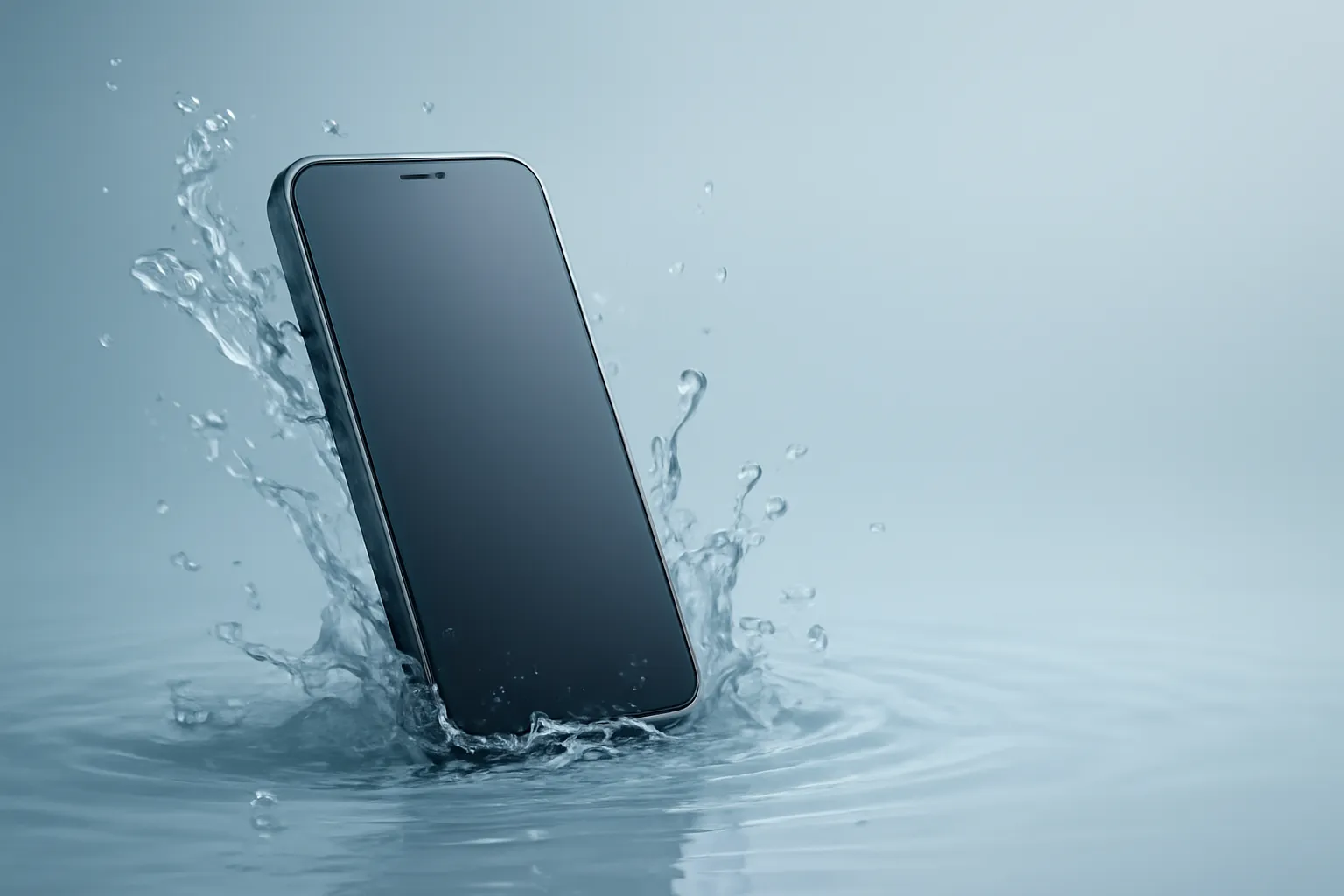
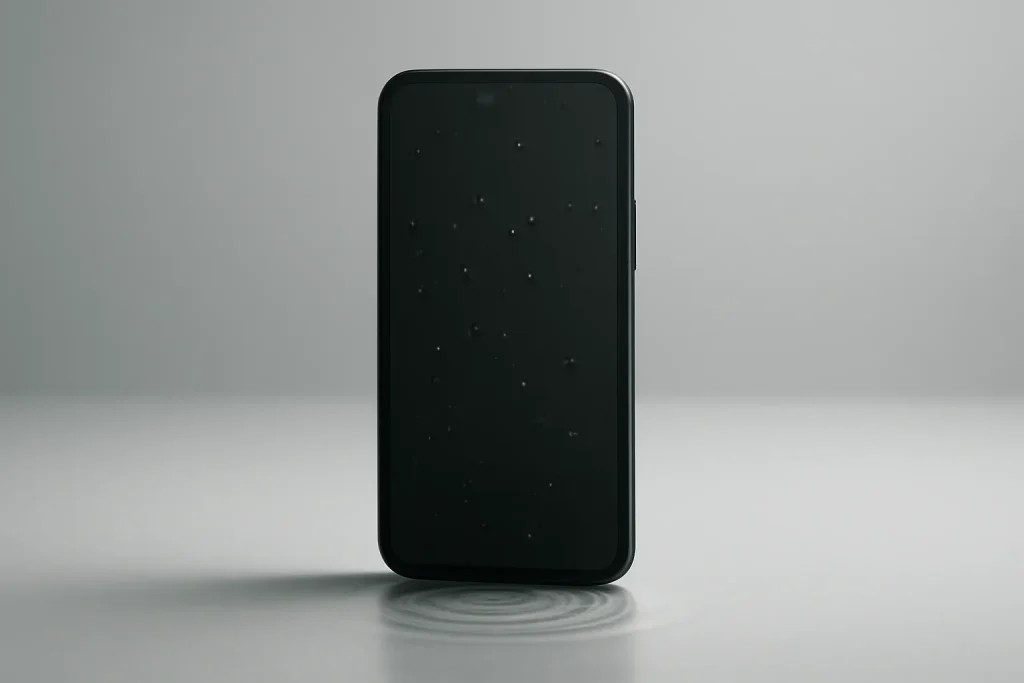
When discussing water‑proof Android phones, the relevant technical term is the IP (Ingress Protection) rating. It is a standard that grades protection against solid and liquid ingress, expressed by two digits: the first for dust, the second for water. IP68 generally indicates that the device is “dust‑tight” (6) and can be submerged in fresh water under manufacturer‑specified conditions (the source text typically cites 1.5-2 metres for 30 minutes). The important detail is this: depth and duration are not universal; they depend on the test and the manufacturer’s declaration. IP69 adds resistance to high‑pressure water jets. In real life this can be relevant for heavy rain, quick rinses and work environments where pressurised water is present. It does not turn the phone into a diving device, nor does it eliminate risks from salt water or chlorine. There is also a point that is rarely stated clearly: “water‑proof” is marketing language. What actually exists is resistance under test conditions. Over time, drops, heat, seal wear and even opening for repair can reduce that resistance. Therefore water‑proof Android phones should be seen as a safety net for accidents, not as a licence for deliberate underwater use.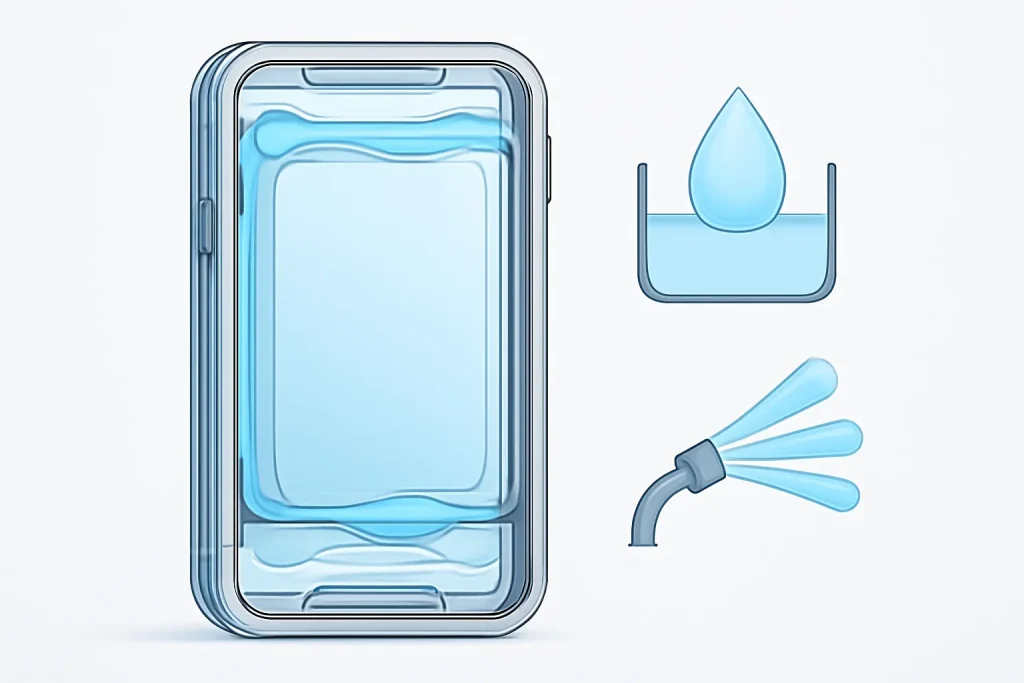
Real‑world use cases: which user profile benefits most from water‑proof Android phones
Who works abroad (construction, logistics, maintenance) is likely to benefit most from water‑proof Android phones with IP68/69, because exposure to rain, dust and splashes is frequent. Here, robust models such as the XCover line (mentioned in the list) can make sense for overall durability, not just the IP rating. Who travels and does outdoor activities gain peace of mind with IP68/69, but should avoid seawater and pools. Dynamic pressure (waves, dives, impacts) and chemicals (salt/chlorine) raise the risk of infiltration, even in water‑proof Android phones. Who prioritises photography may prefer a flagship with IP68 and strong cameras (like the referenced Galaxy S25 Ultra), because water resistance is “hygiene” rather than the main factor. Yet who prioritises software and longevity tend to value long‑term update commitments (the Pixel 10 Pro is cited in this regard), because security and compatibility matter as much as the IP rating. Who games on their phone faces a typical dilemma: performance and cooling versus sealing. The list suggests you no longer have to choose: a gaming phone with IP68 (ROG 9 Pro) exists, but it remains a niche product where camera and design may be secondary.Limitations & challenges: warranty, repairs and the “hidden cost” of watertightness
Even when buying water‑proof Android phones, there are three limitations that alter the purchase decision: 1) Warranty rarely covers liquid damage. The IP certification is not a guarantee of indemnity; it is an indication of resistance in testing. If your priority is to reduce financial risk, it pays to understand coverage conditions and what is considered “misuse”. For reference, you can consult the warranty conditions page (as a reading reference and good consumer practice). 2) Repairability can worsen. Seals, adhesives and gaskets make the device harder to open. A poorly resealed repair can compromise future resistance, even if the phone “works” day‑to‑day. 3) Resistance degrades. Heating/cooling cycles, micro‑cracks after drops and natural wear reduce the safety margin. This is why water‑proof Android phones are better for “accidents” than for intentional water use.What changes for the user: a quick guide to choosing (without falling for marketing)
If you are comparing water‑proof Android phones, use this practical filter: • Start with the IP. Look for IP68 as a baseline; consider IP69 if your daily life includes pressurised water or frequent heavy rain. • Then look at updates. The source text highlights relevant differences: some models promise long cycles (seven years in certain cases), others are good for four. This affects security, resale value and useful lifespan. • Don’t sacrifice what you use every day. If the camera is central, choose on camera quality and accept IP68 as the minimum requirement. If battery life is critical, prioritise battery and charging, provided the IP is not only IP67. • Plan the “post‑accident”. If there is contact with salty water or sugary drinks, switch the device off, dry the exterior, avoid immediate charging and consider a technical inspection. And, if buying online, confirm delivery times and return conditions. For reference, see return policy and shipping times (useful for managing expectations, especially in planned purchases). For editorial transparency, the reference list used in this adaptation is in 7 Best Waterproof Android Phones for 2026
Next steps: how to buy with less regret
Before deciding, ask yourself two simple questions: “Will I really expose the phone to water, or do I just want protection against accidents?” and “Do I need longevity through updates or do I replace the phone frequently?”. If the answer is “accidents”, IP68 already covers most scenarios. If you work in wet environments, IP69 can be a real differentiator. In any case, treat water‑proof Android phones as robust equipment, not as submersible devices, and protect the USB port and speaker grills from dirt and impact.FAQ
- Does IP68 guarantee I can dive with the phone?
- No. IP68 indicates resistance to submersion under test conditions defined by the manufacturer, usually in fresh water and for a limited time. For water‑proof Android phones, the practical rule is to avoid intentional submersion.
- Is IP69 useful for someone who doesn’t work in industrial environments?
- It can be. IP69 adds protection against high‑pressure water jets, which helps in heavy rain or accidental quick rinses. It does not replace care with salt water, chlorine or impacts.
- Why does the warranty often not cover water damage, even with IP68/IP69?
- Because the IP certification describes performance in controlled tests, not a commitment to cover every scenario. Moreover, wear, drops and repairs can alter watertightness over time.
- What should I do if the phone gets water in it?
- If possible, switch it off, dry the exterior, avoid charging immediately and do not use direct heat. If there is salty water or sugary drinks, the risk of corrosion rises; a technical inspection may be warranted.
- Can a repair “remove” the water resistance?
- Yes. Opening the device involves removing and replacing seals/adhesives. If the process is not done properly, water‑proof Android phones can lose some of their original resistance.
- Is IP67 sufficient or should I demand IP68?
- IP67 offers more limited protection than IP68. If water resistance is an important criterion, IP68 is the safest level for most users, and IP69 is an extra for specific scenarios.
Get more articles like this one.
Refurbished tech analysis + €5 with BEMVINDO5 on your first order.