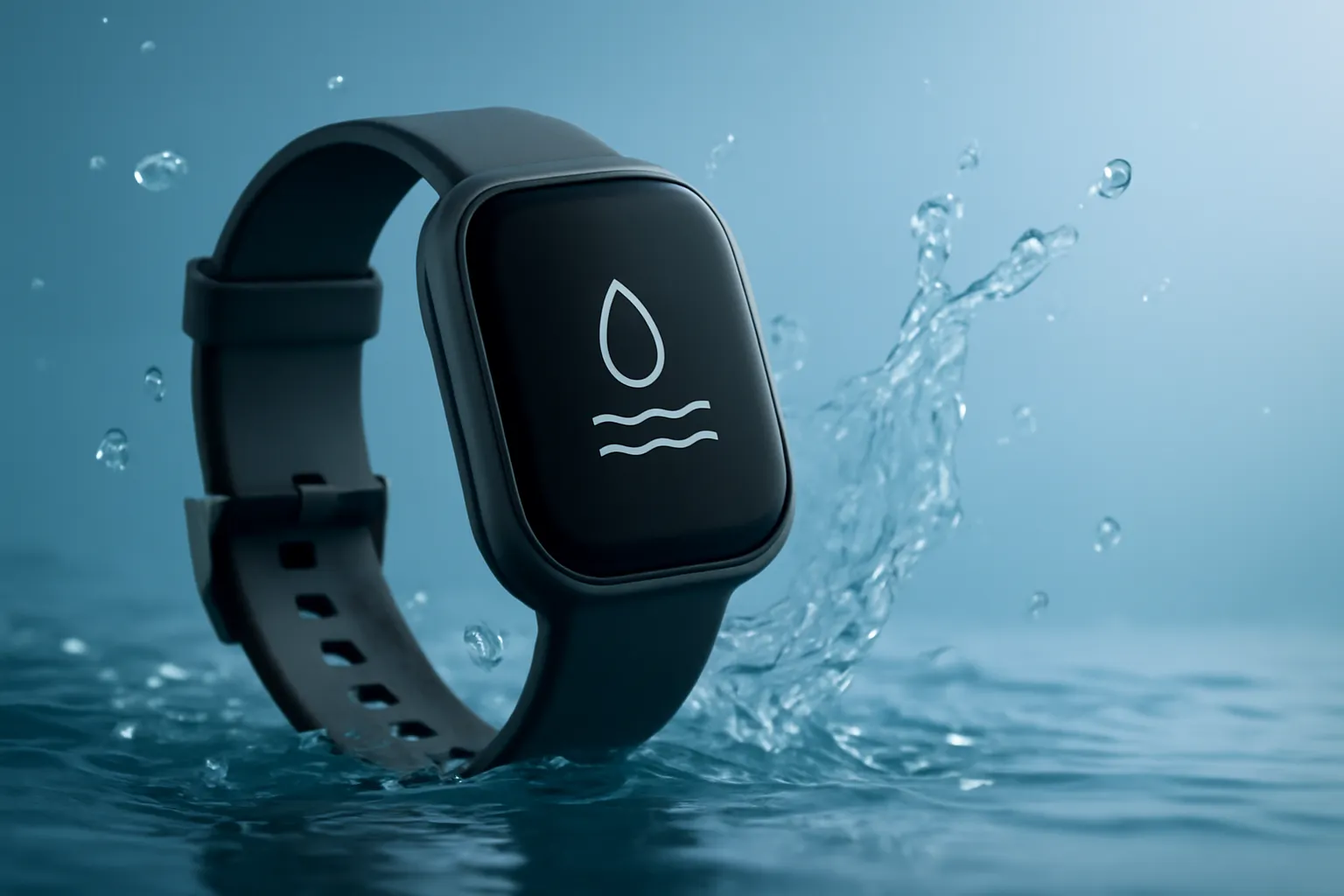
Best waterproof smartwatches 2026 is the right research if you want a watch that survives the pool, the sea and training without missing critical metrics. What has changed this year is the rise of the “minimum bar”: it is no longer enough to have water resistance on paper; it also matters how accurate the heart‑rate measurement is in water, GPS battery life and safety features (including satellite SOS on some models). This mainly affects those who swim regularly, take part in water sports or want a watch for holidays and training, without drama from splashes, submersion and sweat.
In this article
- General Overview: what “waterproof” means in a smartwatch
- Technical Details: what separates a good waterproof watch from a “resistant” one
- Real‑World Use Cases: which model fits your profile
- Limitations & Challenges: where purchase pitfalls still exist
- What changes for the user: a quick checklist before you go into the water
- Next Steps: how to choose today without getting “stuck” tomorrow
- FAQ
General Overview: what “waterproof” means in a smartwatch
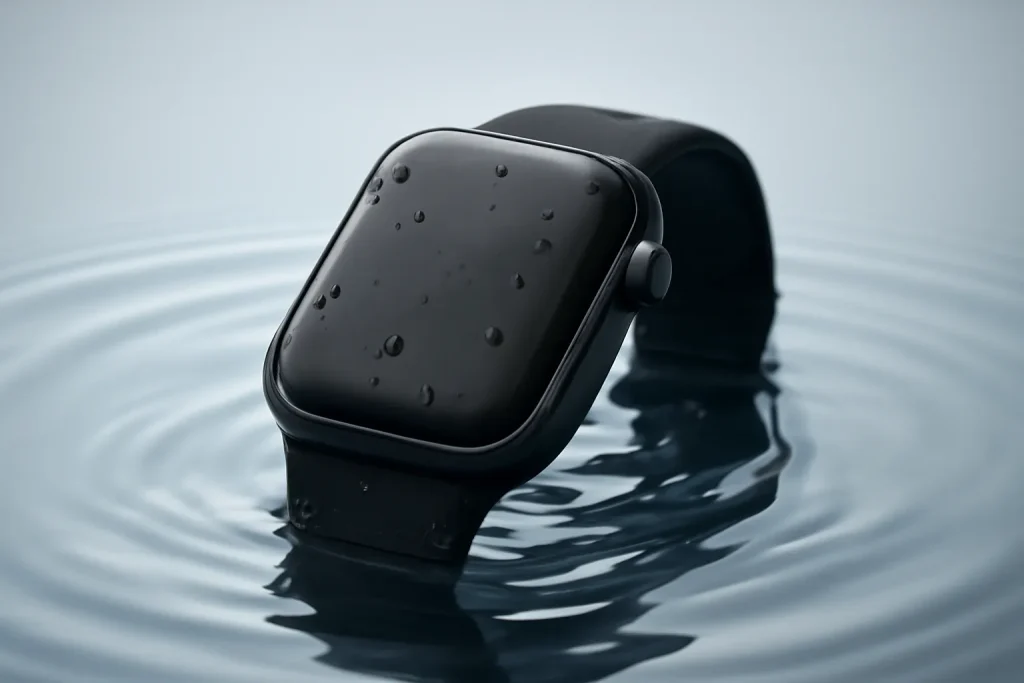
In watches, “waterproof” is almost always a simplification. In practice, you’ll encounter two rating systems: ATM and IP. ATM (for example, 5 ATM or 10 ATM) is a pressure‑resistance rating, used as a reference for swimming and, in some cases, more demanding activities. IP (for example, IP68) is a protection standard against dust and water, common in consumer electronics.
The detail that matters: submersion is not the same as real use. Strokes, jumps into the water and salt water create dynamic pressure and stress on joints and buttons. Therefore, when you look for the best waterproof smartwatches 2026, it is better to consider the whole “rating + build + swimming mode + reliability history” rather than a single number.
It is also worth distinguishing swimming from diving. Some models have specific certifications for recreational diving and interfaces designed to operate with gloves or with water running down the screen. Others excel in the pool, but were not designed for depth, impact and underwater navigation.
Technical Details: what separates a good waterproof watch from a “resistant” one
The technical challenge in water isn’t just sealing; it’s measurement. Optical sensors (PPG) can lose accuracy when there’s movement, water between the skin and the sensor, and rapid temperature changes. This is where many “rugged” devices fail: the watch doesn’t die, but the data become erratic.
When comparing the best water‑proof smartwatches 2026, give priority to four points:
1) Heart‑rate accuracy in water: If your goal is structured training, look for models that perform well in swimming and, ideally, support external sensors (when the ecosystem allows it).
2) GPS and swimming metrics: In a pool, the lap‑counting algorithm and stroke detection are as important as the sensor. In open water, GPS stability and how the watch handles signal loss during a stroke make a difference.
3) Real battery life: A watch can be “water‑proof” yet struggle on long GPS sessions. For triathlon, crossings or full‑day outings at sea, battery life is a safety feature as well as a convenience.
4) Interface and materials: Brighter displays aid visibility in sun and water. More robust glass and sturdy cases reduce the risk of micro‑cracks that, over time, compromise sealing.
In the source material, the highlight goes to models with 10 ATM and, in some cases, diving certification, as well as connectivity upgrades (including 5G and satellite networks on specific watches). For editorial transparency, you can consult the original list at ZDNET.
Real‑World Use Cases: which model fits your profile
Rather than a single “list”, the best water‑proof smartwatches 2026 are split by profile. Below is a practical read of what the source text suggests, focusing on impact for everyday users.
1) iPhone users who want the most in water and out of it
Apple Watch Ultra 3 is identified as the global choice, with 10 ATM, diving certification and a focus on durability. The text also highlights satellite connectivity from the wrist and superior battery life within the Apple Watch ecosystem. If you want a “all‑round” watch, including safety and training, this is the type of offering that defines the best water‑proof smartwatches 2026, provided you use an iPhone.
2) iPhone users who prefer a more discreet watch
The Apple Watch Series 11 appears as a slimmer, more balanced option, with improved battery life and durability compared with the previous generation, while staying within the Apple ecosystem. For those who swim and train, but don\'t need the ultra large case or a focus on adventure, it can be the most comfortable choice.
3) Surface water sports: sailing, fishing, kayaking and life aboard
The Garmin Quatix 7 Pro is described as strong in maritime contexts, with integration with marine electronics and utilities such as an LED torch. This type of watch is not just \"for swimming\"; it is for spending hours at sea, with useful information and long battery life. For many, this is the real criterion for the best water-proof smartwatches 2026: lasting days of use, not just a single pool session.
4) Android with \"Ultra\" ambition
The Samsung Galaxy Watch Ultra appears as a robust alternative within the Android ecosystem, featuring Wear OS and a focus on sensors, advanced metrics and integration with Google services. It is a logical choice for anyone wanting a full-featured smartwatch, calls, apps and training, without sacrificing serious water resistance.
5) Android with a focus on safety and coaching
The Google Pixel Watch 4 is highlighted for its safety features and Fitbit integration, including satellite SOS without a subscription (as per the text context). For those who want training guidance and a more \"urban\" watch, it can be one of the best water-proof smartwatches 2026, even without the \"ranger\" look of bulkier models.
6) Structured training and data analysis (less \"smartwatch\", more sport)
Polar Grit X2 and Suunto Vertical 2 emerge as training-oriented and outdoor options, with long battery life and navigation/reporting tools. If your priority is performance and planning (and you accept fewer apps and wrist-based payments), these watches fit well into the concept of the best water-proof smartwatches 2026 for athletes.
Limitations & Challenges: where purchase pitfalls still exist
Even among the top water-proof smartwatches 2026, three recurring pitfalls remain:
Phone compatibility: Apple Watch is not a real option outside the iPhone. Recent Wear OS versions have stopped supporting iOS in many cases, closing doors for those who switch between platforms.
Wear and sealing over time: Drops, bumps and even battery replacements can affect water resistance. Resistance is a factory-set condition that depends on continuous physical integrity.
Expectations with \"water metrics\": FC on the wrist during swimming can fluctuate. If you need precision for training zones, consider the possibility of using an external sensor when the ecosystem permits.
There is also a practical point: if you buy a watch for water, the warranty and return policy becomes important. Before deciding, confirm the conditions and timelines, because \"liquid damage\" can be interpreted differently depending on the scenario. At iOutlet, you have useful references about warranty conditions" return policy and support timelines.
What changes for the user: a quick checklist before you go into the water
If you want to turn the search “best waterproof smartwatches 2026” into a regret‑free purchase, use this checklist:
1) Define your “type of water”: pool, sea, surf, diving, boat. Each requires different things (interface, brightness, battery life, certifications).
2) Decide whether to train with zones: if so, prioritise heart‑rate accuracy in water and sensor compatibility.
3) Think of battery life as safety: for open water and long sessions, more battery means less anxiety.
4) Confirm the ecosystem: apps, payments, offline music and calls vary greatly between Apple, Wear OS and sports platforms.
5) Take care of the watch: rinse with fresh water after sea/pool, avoid carrying it wet and do not press submerged buttons unless the manufacturer recommends it.
Next Steps: how to choose today without getting “stuck” tomorrow
The market is pushing two clear trends: wrist safety (satellite SOS, incident detection) and smarter software (adaptive plans, advanced metrics and reports). This means that the best waterproof smartwatches 2026 are no longer just “durable”: they are training and safety platforms.
If you buy now, start by choosing based on your phone and your main sport. Then decide whether you want a “full‑feature smartwatch” (apps, calls, payments) or a performance watch (battery life, navigation, metrics). That decision separates a smart purchase from an expensive watch that you end up using only to tell the time.
FAQ
- Does a smartwatch with 5 ATM work for open‑water swimming?
- It can be suitable for swimming, but “suitable” depends on the model and the type of use. In open water, GPS stability and sensor behaviour during movement matter as much as the 5 ATM rating.
- IP68 is better than 5 ATM or 10 ATM?
- It is not directly comparable. IP68 describes protection against dust and immersion under defined conditions; ATM relates more to pressure. For water activities, many manufacturers use ATM because it is more intuitive for watches.
- Can I charge the watch immediately after swimming?
- The safest approach is to rinse (if it was in the sea or pool), dry thoroughly and only then charge. Moisture on the contacts can cause issues, even in water‑resistant models.
- Why does wrist heart‑rate monitoring fail more in swimming?
- Water and movement create micro‑slippage and optical interference in the PPG sensor. Additionally, muscle contraction and wrist position during the stroke can reduce signal quality.
- What is “10 ATM” on a watch, in simple terms?
- It is a pressure‑resistance indication equivalent to 10 atmospheres. In practice, it suggests a greater margin for demanding water activities than 5 ATM, but it does not replace the manufacturer’s dive recommendations.
- Is a “rugged” smartwatch always better for salt water?
- Not necessarily. Materials and seals help, but salt water is corrosive and requires maintenance (rinsing and drying). Longevity depends as much on use and care as on construction.
- How to choose between Apple Watch, Wear OS and sport watches (Garmin/Polar/Suunto) for swimming?
- If you want apps, calls and an ecosystem, Apple Watch (with iPhone) or Wear OS (with Android) tend to be more complete. If you prioritise battery life, metrics and navigation, sport watches usually offer more focus on training and battery.
Get more articles like this one.
Refurbished tech analysis + €5 with BEMVINDO5 on your first order.