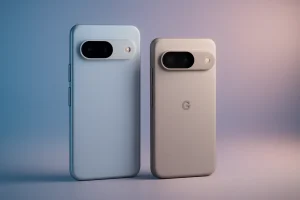
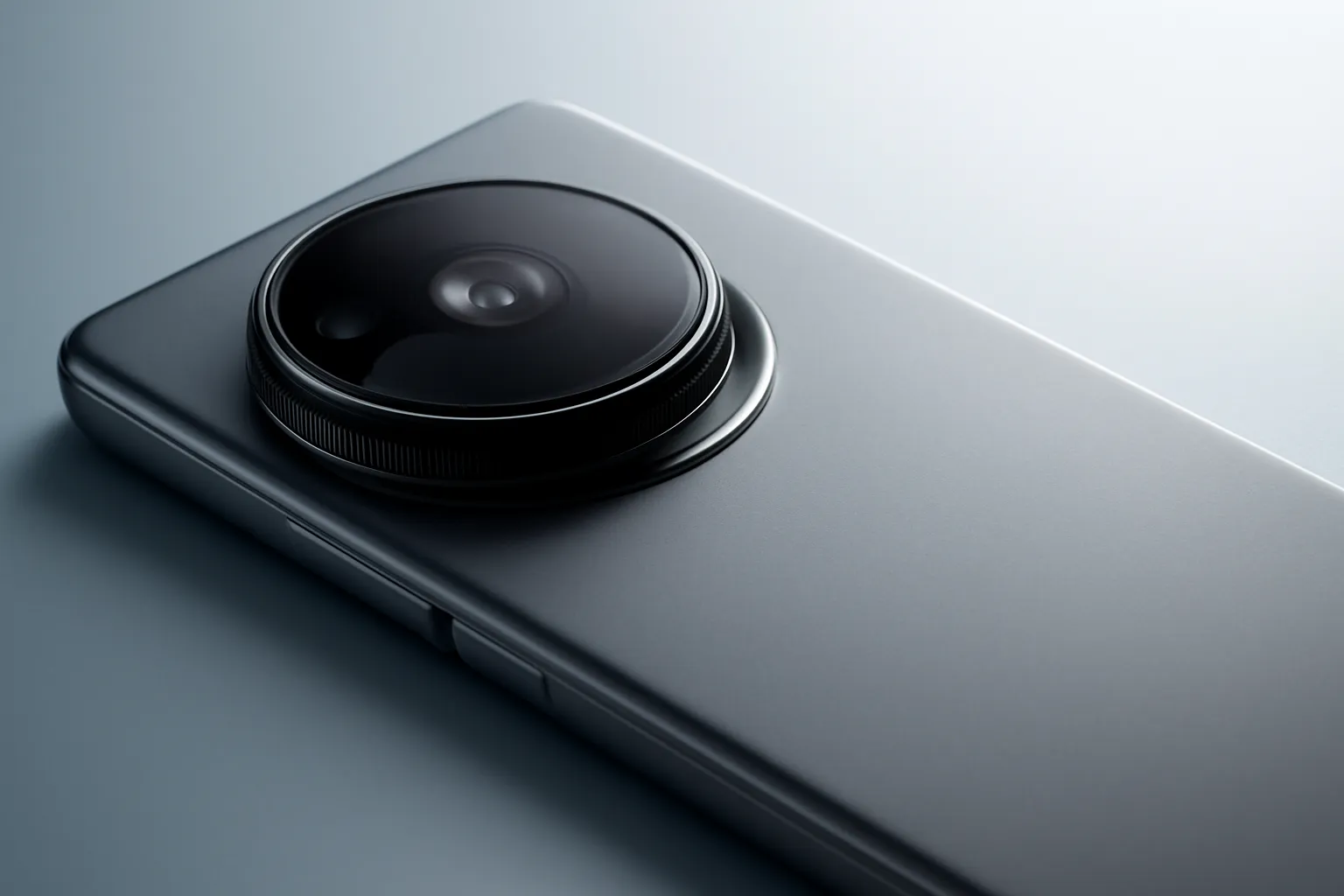
Xiaomi 17 Ultra Leica Edition zoom ring: if the rear ring rotates while also moving slightly sideways or making a faint click, the company says this is normal behaviour. The reason is technical: the play is part of the design to absorb impacts and reduce the risk of jamming from dust or moisture. This matters because many users interpret the wobble as poor assembly and consider unnecessary returns. The situation mainly affects those who use the ring frequently for photos and video.
In this article
What is happening with the Xiaomi 17 Ultra Leica Edition zoom ring
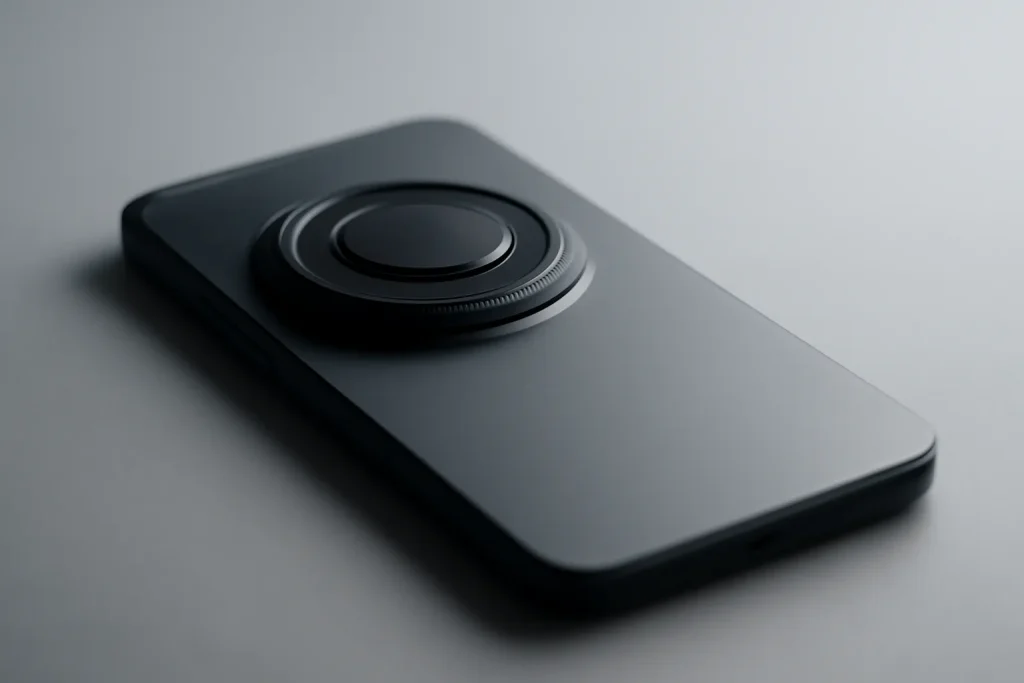
The component in question is the 'Master Zoom Ring', a mechanical rotary ring on the back of the phone, designed to provide tactile control over camera functions. On recent units, some users have noticed two sensations: (1) a small lateral/axial movement when the ring is wiggled or touched, and (2) a faint click-like sound during certain gestures. Xiaomi describes these as deliberate tolerances, not accidental slack.
For the user, the distinction is simple: if the Xiaomi 17 Ultra Leica Edition zoom ring rotates consistently without catching, and the camera functions respond as expected, the play on its own does not indicate a fault. You should only be concerned if there are functional failures (for example, uneven rotation, jamming, or commands that stop being recognised).
Technical Details
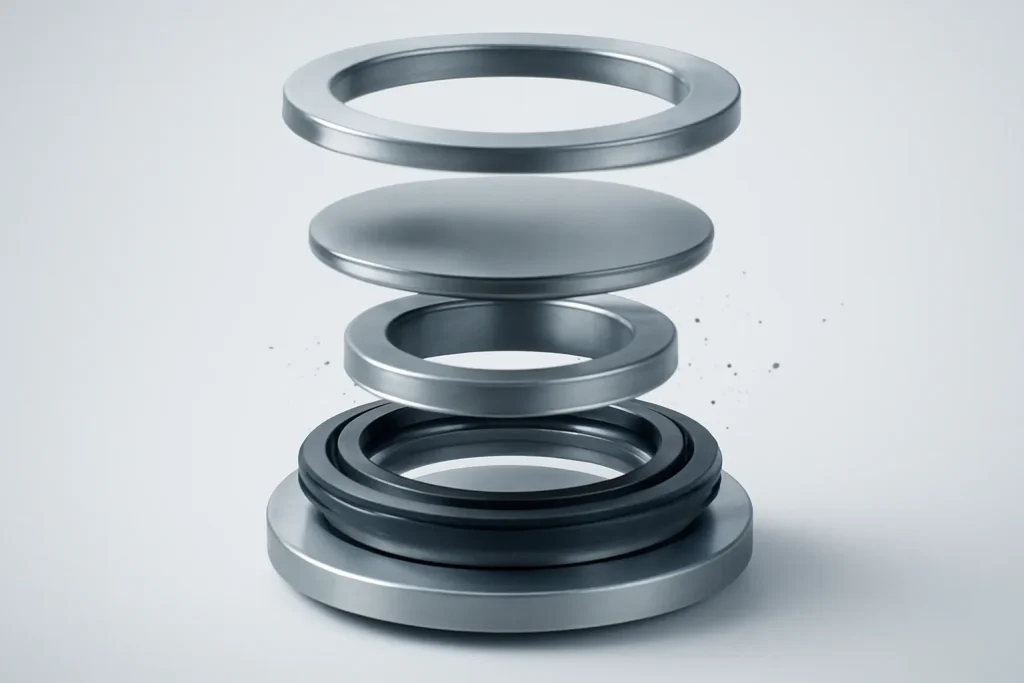
According to Xiaomi's published explanation in a Q&A session, the mechanism uses a sandwich structure with 26 components. In mechanical engineering, 'tolerance' refers to the controlled margin of movement or variation between parts, necessary to guarantee assembly, durability and real-world operation. Here, the company says it has introduced radial and axial tolerances for two goals: to reduce distortion of the outer ring in drops, and to lower the risk of jamming from dust or liquid ingress.
In practice, this works as a small 'absorption zone': instead of transmitting all the impact energy to a rigid part (which could warp and scrape), the assembly has room to give slightly and then return to position. The same logic applies to contamination by particles: a system that is too tight can seize up with fine grains, whereas a system with controlled play tends to keep turning, even if the feel is different.
Xiaomi adds that this behaviour does not compromise the IP66, IP68 or IP69 ratings of the device. To clarify: these ratings refer to levels of protection against dust and water, tested in specific conditions. The ring 'moving' does not in itself mean a loss of sealing; what matters is how the assembly is sealed internally.
What changes in use: shortcuts, zoom and fine controls
The Xiaomi 17 Ultra Leica Edition zoom ring is not just there to add style to the camera module; it is a configurable physical interface. Xiaomi says the user can assign actions such as opening the camera quickly or switching modes by rotating left or right. In photo and video mode, the ring can be used for continuous zoom, switching focal lengths and adjusting EV (exposure compensation) and filters. In portrait mode, in addition to zoom and filters, it can adjust the background blur. In professional mode, the list grows to parameters such as ISO, shutter speed and white balance, among others.
The real benefit is repeatability: a physical control allows micro-adjustments without covering the screen and without relying so much on touch gestures. The potential downside is the perception of a 'loose part' in people who associate quality with absolute rigidity. If your focus is video, for example, the consistency of the zoom and the absence of jumps matter more than the tactile sensation of complete firmness.
Tests, durability and what Xiaomi is trying to avoid
The company says the Master Zoom Ring has passed dust and water tests, drop tests, heat and humidity tests, and prolonged rotation testing, both during validation and in production. Without public figures, it is impossible to compare with independent lab protocols, but the intention is clear: a ring that rotates daily is a wear point, so the design tends to favour tolerances that maintain function over time.
If you are concerned about durability, the useful question is not 'does the ring move?', but 'does the ring maintain the same behaviour after weeks of use?'. A slight click may simply result from internal contacts and the fit between parts; loud metallic noises, increasing friction or a loss of response in the controls deserve attention.
Leica One Moment: image style, not a quick filter
Beyond the hardware, the Xiaomi 17 Ultra Leica Edition highlights the co-created Leica One Moment mode, with two looks inspired by Leica cameras: a style associated with the Leica M9 CCD (characteristic colours and tones) and a black-and-white style inspired by the Leica M3 with the MONOPAN 50 film aesthetic. Xiaomi describes this work as reconstructing the image pipeline based on real photographs, rather than applying surface-level filters.
For anyone buying the phone for photography, this is directly connected to the ring: a physical control makes more sense when the software offers distinct visual languages and fine adjustments. If you want more context on the positioning of the model, it is worth reading the analysis on photography focus on iOutlet, and the dedicated article about the ring for photography.
What to do now if the ring feels loose to you
First, validate functionality: open the camera and confirm that the Xiaomi 17 Ultra Leica Edition zoom ring performs the configured actions without errors or jamming. Then, observe the pattern: is the play small and constant, or is it increasing? Are there signs of impact on the ring? Is the sound faint and repeatable, or is it a new and irregular noise?
If there is clear degradation (jamming, rough rotation, command failures), document it with video and consider exercising your rights. For practical guidance on timeframes and procedures, see the pages on warranty conditions and return rules. For editorial transparency, the original explanation cited in this piece is available at the original source.
In short, the Xiaomi 17 Ultra Leica Edition zoom ring may wobble a little because it was designed to: controlled mechanical tolerances tend to improve survival in drops and reduce the chance of jamming. The trigger for action is not the feel itself, but any loss of function, a progressive increase in play or signs of damage.
FAQ
- Does the wobble mean my phone is defective?
- Not necessarily. Xiaomi describes the lateral/axial movement and a faint click as intentional tolerances of the mechanism. The sign of a problem is functional failure: jamming, rough rotation or commands that stop responding.
- Does the Xiaomi 17 Ultra Leica Edition zoom ring compromise water and dust resistance?
- According to the company, no. Xiaomi states that the behaviour does not affect the device's IP66/IP68/IP69 ratings, because sealing depends on the internal design and gaskets, not the sensation of external play.
- How can I test if the ring is working correctly?
- Open the camera and use the ring in various modes (photo, video, portrait and professional). Check that zoom is continuous, that switching focal lengths is consistent and that adjustments such as EV and filters respond without delays or errors.
- Which symptoms justify seeking support?
- Increasing play over time, loud or irregular noise, growing friction, rotation that catches, or intermittent loss of response in controls. If there are impact marks on the ring, note that detail too.
- Can I reduce the click or the play by tightening or disassembling the ring?
- That is not recommended. Physical interventions can damage seals and void warranty conditions. If the behaviour seems abnormal to you, the safe route is support or service.
- What is EV and why is it associated with the ring?
- EV (Exposure Value) is exposure compensation: an adjustment that makes the image brighter or darker without necessarily changing the mode. On a physical control, it is useful for quickly correcting backlit scenes.
Get more articles like this one.
Refurbished tech analysis + €5 with BEMVINDO5 on your first order.