
In this article
- Overview: two 'A' phones that look alike but differ inside
- Architecture & Specs: materials, chip and storage explained without jargon
- Real-World Use Cases: photography, low light, and everyday consistency
- Competition & Prices: when saving money pays off (and when it costs you)
- What changes for the user: a quick decision guide
- Next Steps: buy now or wait?
- FAQ
Overview: two 'A' phones that look alike but differ inside
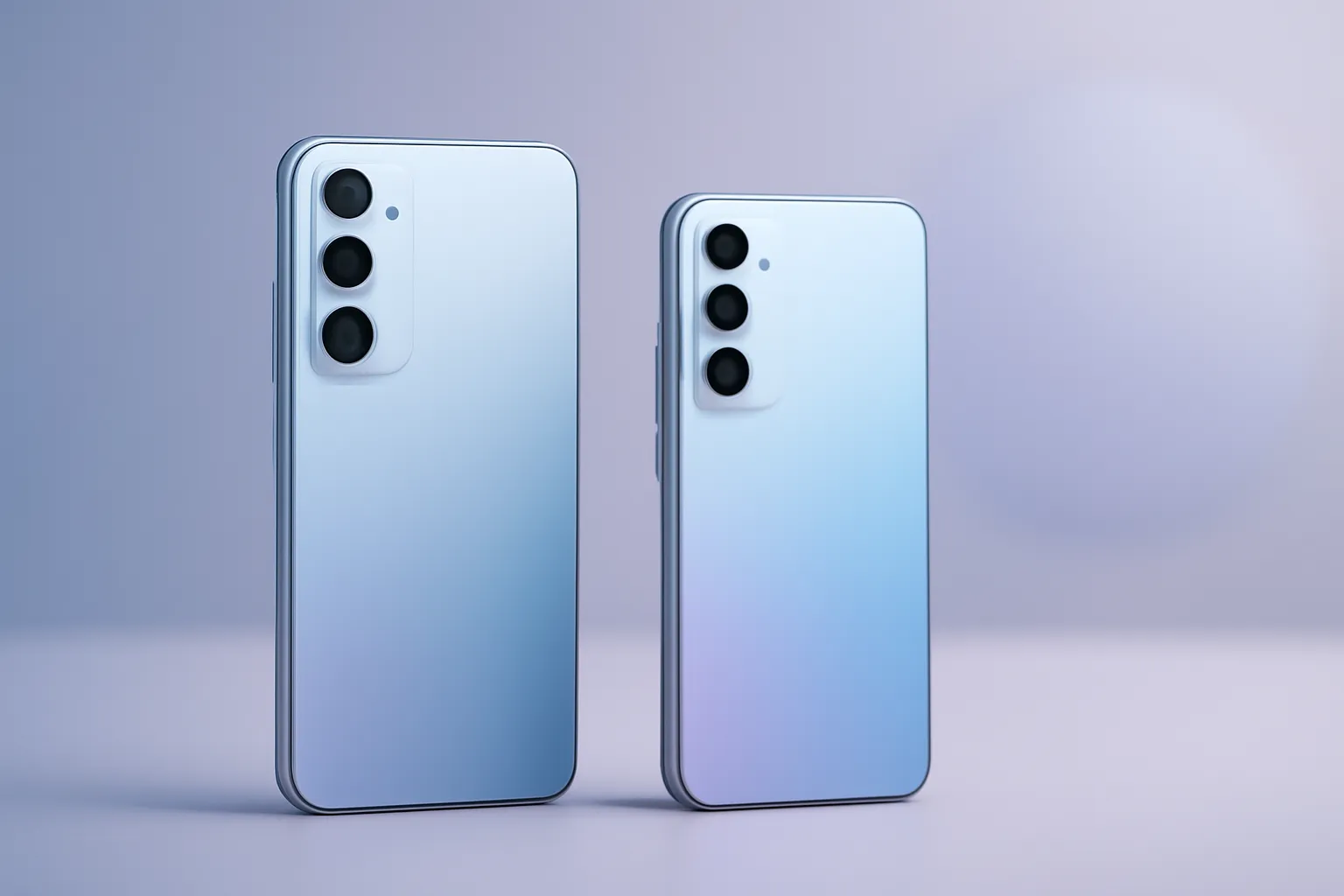
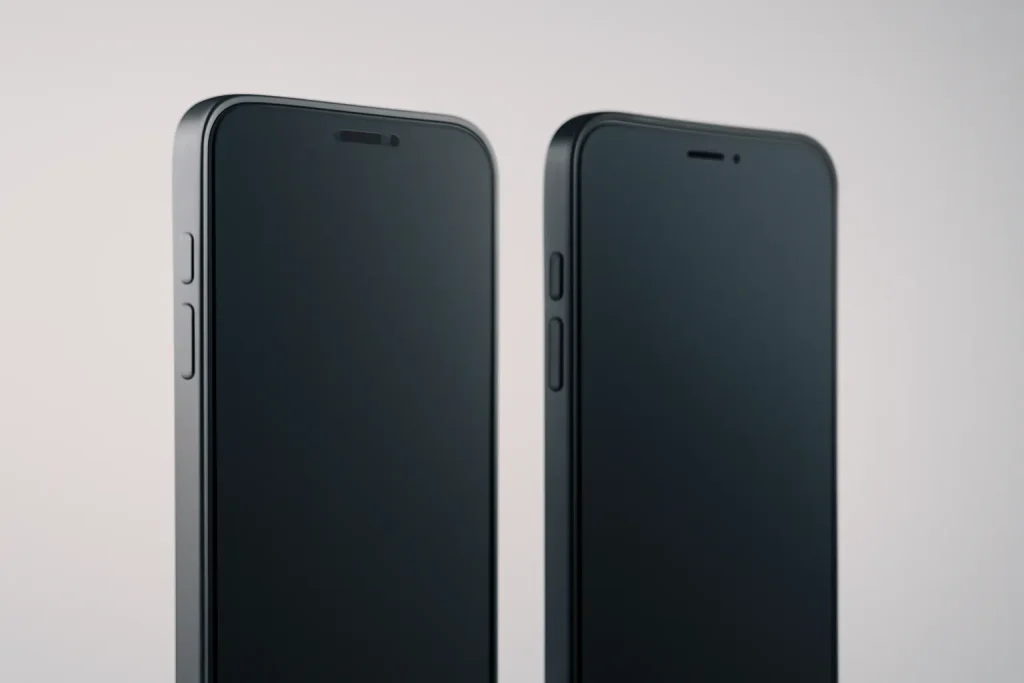
At first glance, Samsung Galaxy A56 vs Galaxy A36 looks like a price difference: they are close in size and design language, and both fit the typical Galaxy A formula, big screen, One UI software, and generous battery. The catch (or the opportunity) is that the daily experience is rarely defined by a single spec. Here, the A56 piles up small wins that, together, make it a more complete phone; the A36 stays competent, but makes more compromises in fluidity and photography. There is also a timing factor: both were launched in March 2025, so anyone looking for 'the latest' might prefer to wait. Still, for anyone buying now, what matters is the relationship between current price and what you get in return, and that is where this comparison earns its keep.Architecture & Specs: materials, chip and storage explained without jargon
In Samsung Galaxy A56 vs Galaxy A36, the most immediate difference to the touch is in the build: the Galaxy A56 uses an aluminium frame, while the Galaxy A36 uses a plastic frame. This is not just about looks; aluminium tends to offer greater rigidity and a more 'premium' feel, and it also helps with heat dissipation during extended use. Both models share some important common ground: Gorilla Glass Victus+ protection on the front and back, and IP67 certification. IP67 means resistance to dust and temporary immersion in water (up to 1 metre, typically for 30 minutes), which reduces risk in everyday accidents, it is not an invitation to take the phone swimming. The most relevant technical leap is in processing and storage. The Galaxy A56 uses an Exynos 1560, while the Galaxy A36 comes with a Snapdragon 6 Gen 3. The source article notes a performance advantage for the A56 (including differences in CPU and GPU), which tends to mean fewer interface stutters, better multitasking response, and greater stability in heavy apps. There is also a storage detail that matters: the A56 uses UFS 3.1 and the A36 uses UFS 2.2. UFS stands for Universal Flash Storage, the standard for internal memory; newer versions typically offer faster read and write speeds. In practice, that can shorten app launch times, speed up installations, and make updates less tedious, especially once the phone is fuller.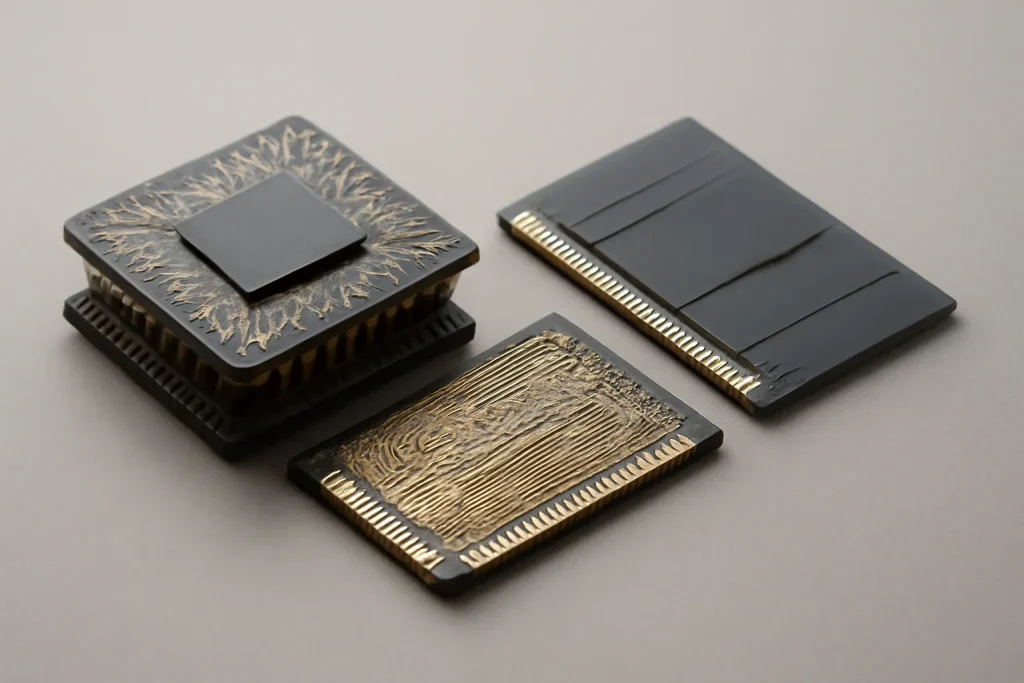
Real-World Use Cases: photography, low light, and everyday consistency
If your priority is the camera, Samsung Galaxy A56 vs Galaxy A36 stops being 'almost the same'. Both have a 50 MP f/1.8 main camera, but the A56 uses a larger sensor (1/1.56") than the A36 (1/1.96"). A larger sensor captures more light, which usually improves detail and reduces noise, especially indoors and in the evening. On the ultrawide, the difference is even more direct: the A56 has 13 MP, while the A36 stays at 8 MP. This tends to show in landscapes and group shots, where the ultrawide is used most and where detail loss can be obvious. On selfies, the comparison also favours the A56 in terms of sensor (12 MP with 1/2.74" vs 13 MP with 1/3.06" on the A36). It is worth remembering a useful principle: more megapixels do not guarantee a better image; sensor size, processing, and HDR count just as much, if not more. The A56 also includes Nightography (in Samsung's context, a set of night photography techniques that combines multiple frames and AI processing to brighten the image). In low-light conditions, this difference can be the difference between a usable photo and one you delete.Competition & Prices: when saving money pays off (and when it costs you)
The strong point of the A36 is simple: it costs less. In the source text, the launch price gap is roughly 100 monetary units (with values given in pounds and dollars). For many buyers, that margin is decisive, and it can be reinvested in something that improves the experience: a decent case, a compatible charger (if needed), or more storage, depending on the configuration chosen. But there is an invisible cost worth weighing in Samsung Galaxy A56 vs Galaxy A36: the daily 'friction'. If you value a phone that stays fluid for longer, opens the camera quickly, and fails less in difficult scenarios (night, indoors), the A56 tends to justify the extra. If your usage is more predictable, social media, messaging, streaming, daytime photography, the A36 may be the rational choice. On battery, both use 5.000 mAh and 6,7" Super AMOLED screens at 120 Hz, with One UI (the text mentions version 7 at launch and 8 available). Still, an advantage for the A56 is reported in battery tests, suggesting greater overall efficiency (processor and memory). It is not a 'transformative' difference, but it may be enough to get you through the day with more to spare.What changes for the user: a quick decision guide
To close Samsung Galaxy A56 vs Galaxy A36 with practical use in mind, think about these profiles: Choose the Galaxy A56 if: you want a better build feel (aluminium), value low-light photography, want more performance consistency, and prefer faster storage (UFS 3.1) for a phone that ages better. Choose the Galaxy A36 if: budget is the priority, your usage is moderate, and you can accept that the camera and fluidity may be less consistent in demanding scenarios. It is a way into the Galaxy A experience with a smaller investment.
Next Steps: buy now or wait?
Since both have been on the market for a few months and there are rumours of an earlier release date for their successors, it is worth deciding on two questions: do you need to upgrade now, or can you wait? If your current phone is struggling (degraded battery, full storage, sluggish updates), buying now makes sense. If it is just 'fancy a change', waiting could give you more options, either from new models or better deals on the current ones. For anyone buying now, the recommendation is pragmatic: Samsung Galaxy A56 vs Galaxy A36 is not a tie. The A56 is the better phone overall; the A36 is the best when the priority is spending less without dropping down to entry-level. To reduce risk when buying online, always check policies on delivery times, returns and warranty, for example, see delivery times, return conditions and warranty information. Original source for editorial transparency: TechAdvisor comparison. For official details on the Galaxy line, see Samsung's website.FAQ
- In Samsung Galaxy A56 vs Galaxy A36, which is better for gaming?
- Neither is designed for demanding gaming. The A56 tends to offer more headroom and greater consistency (faster CPU, GPU and storage), but anyone who regularly plays heavy titles may want a more performance-focused model.
- Does the aluminium on the Galaxy A56 make a real difference, or is it just 'feel'?
- It makes a difference mainly in rigidity and feel. It may also help with thermal dissipation during prolonged use, though that depends on the internal design and the processor's power profile.
- UFS 3.1 vs UFS 2.2: will I notice it day to day?
- It is common to notice in cumulative tasks: opening apps faster, installing and updating with less waiting, and maintaining fluidity when storage is fuller. It does not change screen or network quality, but it reduces system lag.
- Which one takes better night photos in this Samsung Galaxy A56 vs Galaxy A36 comparison?
- The A56 starts with an advantage because it has a larger main sensor and includes Nightography, which uses processing to improve low-light scenes. The A36 can take good photos in good light, but tends to lose more detail when the light drops.
- Do both have water resistance?
- Yes, both include IP67. This helps with accidents (rain, splashes, a quick drop in fresh water), but does not replace basic care or guarantee coverage in every scenario.
- Is it worth waiting for the successors?
- If you are not in a hurry, it may be worth it: new models can bring improvements and often push down the price of current ones. If you need to upgrade now, the A56 is the safer choice for longevity; the A36 is the more sensible one for saving money.
Get more articles like this one.
Refurbished tech analysis + €5 with BEMVINDO5 on your first order.