
In this article
- Overall Overview: what NDTV Shorts is actually comparing
- Technical Details: performance, heating and what the numbers don’t reveal
- Real‑World Use Cases: cameras, video and the difference between a “good photo” and “good consistency”
- Ecosystem Integration: software, updates and the invisible cost of switching
- What changes for the user: how to decide without falling for the “flagship of the moment”
- Next Steps: what to confirm before choosing between these three
- FAQ

Overall Overview: what NDTV Shorts is actually comparing
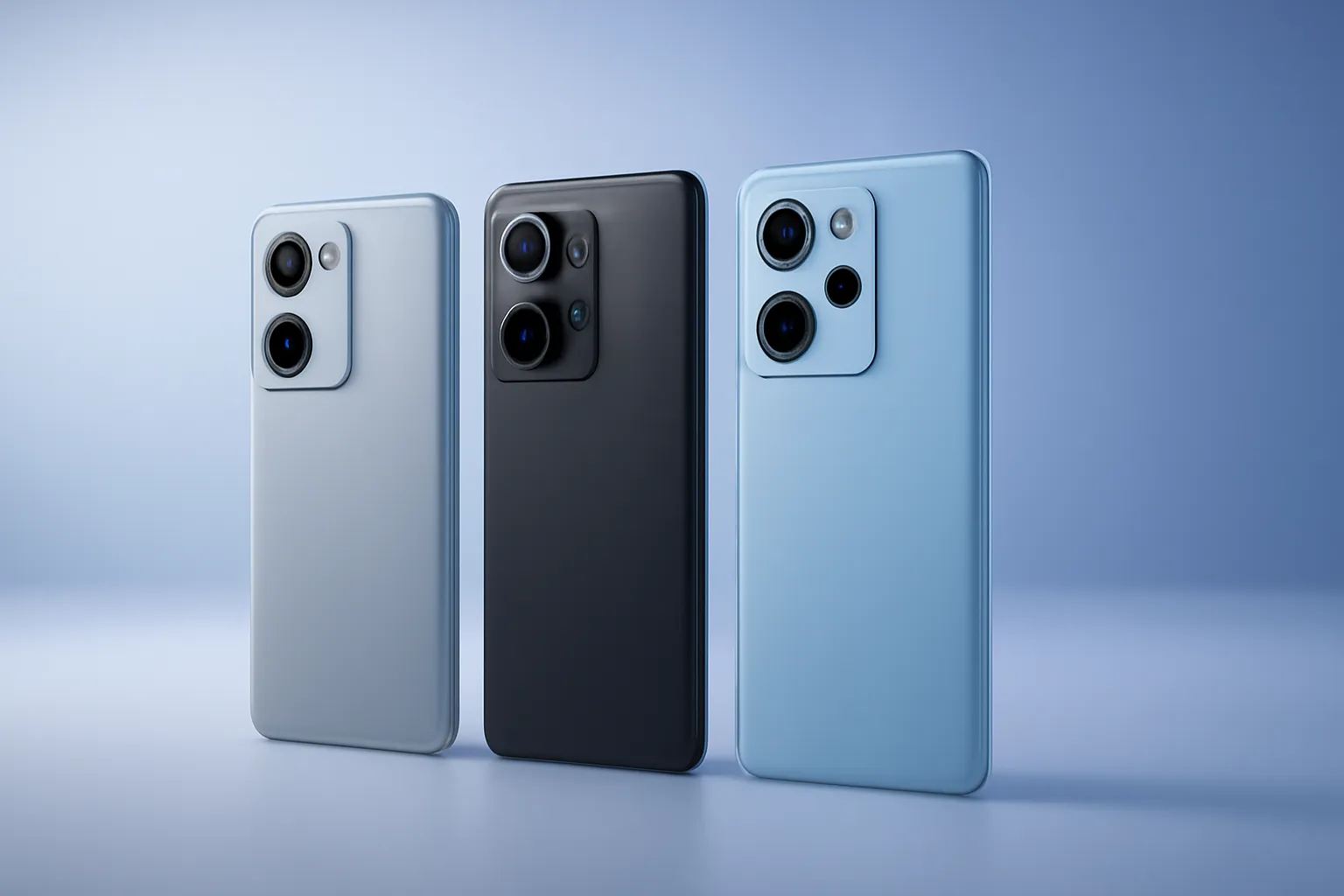
Despite the short format, NDTV Shorts puts three different “flagship” ideas on the table. A flagship here means a smartphone that tries to maximise performance, photography, display and connectivity, usually with the best available processor and premium materials. In practice, the showdown between iQOO 15, OnePlus 15 and Galaxy S25 tends to fall into four axes: (1) sustained performance (not just peaks), (2) image quality in various conditions, (3) software and long‑term support, and (4) ecosystem (accessories, PC/tablet integration, services). That is why a “victory” depends on the type of user - and not just the model on paper.Technical Details: performance, heating and what the numbers don’t reveal
Comparisons like NDTV Shorts’s tend to highlight the processor and fluidity, but there is one detail that separates a good flagship from a “fast for 5 minutes” device: thermal management. When a phone heats up, it enters into thermal throttling - an automatic performance reduction to control temperature - and it affects games, video recording and even long tasks such as GPS navigation. Another point is memory and storage. More RAM can help with multitasking, but the perception of speed also depends on the type of storage and how the system manages background apps. Without lab data in the video, the user should retain a simple rule: if the focus is gaming and sustained performance, look for signs of stability (temperature, frame drops, power draw) and not just “the fastest on launch”. It is also worth looking at the display beyond the refresh rate. Outdoor brightness, colour calibration and flicker control (PWM) influence comfort and readability. NDTV Shorts serves as a starting point, but the final decision benefits from confirming these aspects in longer analyses and consistent testing.
Real‑World Use Cases: cameras, video and the difference between a “good photo” and “good consistency”
In 2026, almost all flagships take good photos in ideal conditions. What separates one model from another is consistency: skin tones in portraits, white balance indoors, night‑time noise control and lens transitions (primary, ultra‑wide, telephoto). For video, the bar is higher. Stabilisation, continuous focus and low‑light processing are areas where some models shine and others wobble. If NDTV Shorts’s comparison highlights the “best camera”, the useful question is: best at what? Night photography? Portrait? Zoom? Video? A user who records heavily for social media may prefer a more predictable set, even if it loses some detail in perfect conditions. There is also the “shutter latency” factor (the delay between tapping and capture) and the speed of switching between modes. These are details that do not appear in tables, but they change the day‑to‑day experience.Ecosystem Integration: software, updates and the invisible cost of switching
The NDTV Shorts video puts pressure on a factor that determines a device’s lifespan: updates. It’s not just about receiving new features; it’s security, app compatibility and long‑term stability. A flagship can stay “modern” for more years if it has a strong support policy and a consistent interface. Integration with other devices also matters: watches, earbuds, tablets and PCs. For some, the Galaxy S25 may carry weight because of its ecosystem and services, while others prefer a more minimalistic experience or fewer pre‑installed apps. Here, the best choice is the one that reduces friction in everyday use: fewer steps to pair, share files, take calls on a PC or keep backups. If you are planning a purchase, it helps to set an objective criterion before being swayed by “the most powerful”. How many years do you intend to keep the phone, which apps do you use, and do you prioritise photography, gaming or productivity.What changes for the user: how to decide without falling for the “flagship of the moment”
NDTV Shorts is useful because it forces a choice based on priorities. A simple method is to assign weights: 40% camera, 30% software/updates, 20% sustained performance, 10% extras (charging, sound, vibration, ergonomics). Then look for evidence for each point - not just a “best at everything” statement. It is also worth considering post‑purchase factors: return periods, warranty and support. In Portugal, these issues matter when a fault appears or the device does not meet expectations.
Next Steps: what to confirm before choosing between these three
After watching NDTV Shorts, the next step is to calmly verify three things: (1) camera samples in tough scenarios (night, indoor, motion), (2) reports of heating and battery life in real use, and (3) update policy and track record of fixes. If possible, handle the device in hand: ergonomics and tactile vibration are “invisible” in the video, but they matter every day. For editorial transparency, the original video can be consulted at NDTV Shorts (video comparison). The best purchase is not the one that wins a duel; it is the one that fits your use for years.FAQ
- Does the NDTV Shorts video help choose between iQOO 15, OnePlus 15 and Galaxy S25?
- It serves as a quick screening, but does not replace low‑light camera tests, real‑world battery life checks and update analysis. Use it to narrow options and then confirm the critical points for your profile.
- What is “sustained performance” and why does it matter more than benchmark peaks?
- It is the ability to maintain a stable speed for minutes (gaming, video, GPS navigation) without heating and throttling power. Fast peaks can look impressive, but they do not represent prolonged use.
- How to compare cameras without falling into “the best camera”?
- Define scenarios: portrait, night, indoor, zoom and video. Look for consistency across lenses and stability in video. A “balanced” camera can be better than one that shines only in a single mode.
- Updates: what should I check before buying?
- Confirm how many years of security and system updates are promised and the brand’s track record of meeting deadlines. Updates influence security, app compatibility and resale value.
- What practical details should I test in a store or during the first days?
- Ergonomics (weight and width), outdoor brightness, tactile vibration, loud‑speaker calls, video microphone quality and heating during long tasks. These are factors that rarely appear in short comparisons.
Get more articles like this one.
Refurbished tech analysis + €5 with BEMVINDO5 on your first order.