In this article
Overview: why 'best' changed in 2026
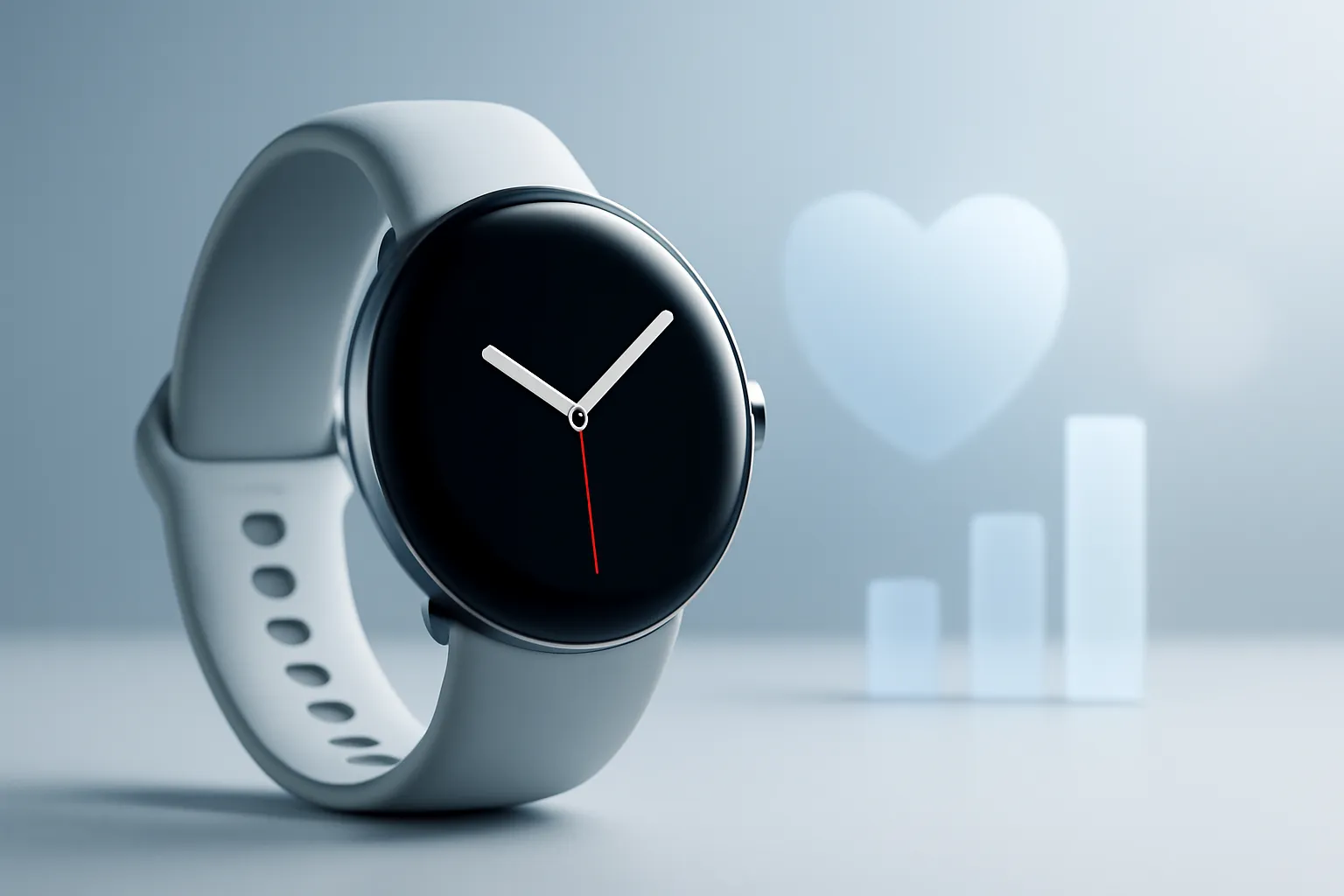
In 2026, the conversation about the best Android smartwatch 2026 is no longer just 'which has the most apps' and has become 'which interprets my data best and helps in everyday life'. Three clear trends stand out in the source material: (1) more AI on the wrist (with assistants like Gemini), (2) more ambitious sensors and health metrics, and (3) a real push on battery life, with more efficient architectures and screens. It also helps to separate two layers: the system (Wear OS, Zepp OS, or proprietary platforms) and the ecosystem. A watch can look excellent on paper, but if it requires several apps, has uncertain updates or loses features outside the phone brand, the experience quickly degrades. This is where the Pixel Watch 4 gains ground as the best Android smartwatch 2026 for 'most people': less friction, more coherence.Architecture & Specifications: what really matters in daily use
A few technical terms come up a lot in these comparisons and deserve a quick definition. Wear OS is Google's operating system for watches, with direct integration with Google services and a wider app catalogue than closed platforms. Dual-band GPS (two bands) improves accuracy in difficult environments, like narrow streets or areas with tall buildings. Always-on display (AOD) keeps the screen on at all times but is usually the biggest drain on the battery. On the Pixel Watch 4, the highlight is the combination of Wear OS 6 with the Fitbit ecosystem and new safety layers (including satellite connectivity for emergencies, according to the source text). The promise is clear: less time navigating menus and more time getting useful answers, with Gemini handling voice tasks more naturally. On the Samsung side, the Galaxy Watch 8 and Watch 8 Classic focus on refined hardware and new sensors. The Classic keeps the rotating bezel for navigation (a real advantage when you're running, cooking or wearing gloves), while the Watch 8 aims to be lighter and more comfortable for 24/7 wear. Both bring advanced metrics and on-wrist AI, but the experience can be more 'Samsung-first' in ecosystem details. The OnePlus Watch 3 stands out for its pragmatic approach: multi-day battery life and a solid set of essential features, with trade-offs in areas like version availability (for instance, LTE doesn't appear as an option in the source text) and some regional limitations on ECG. For many people, this is decisive: the best Android smartwatch 2026 might simply be the one you don't have to charge every day.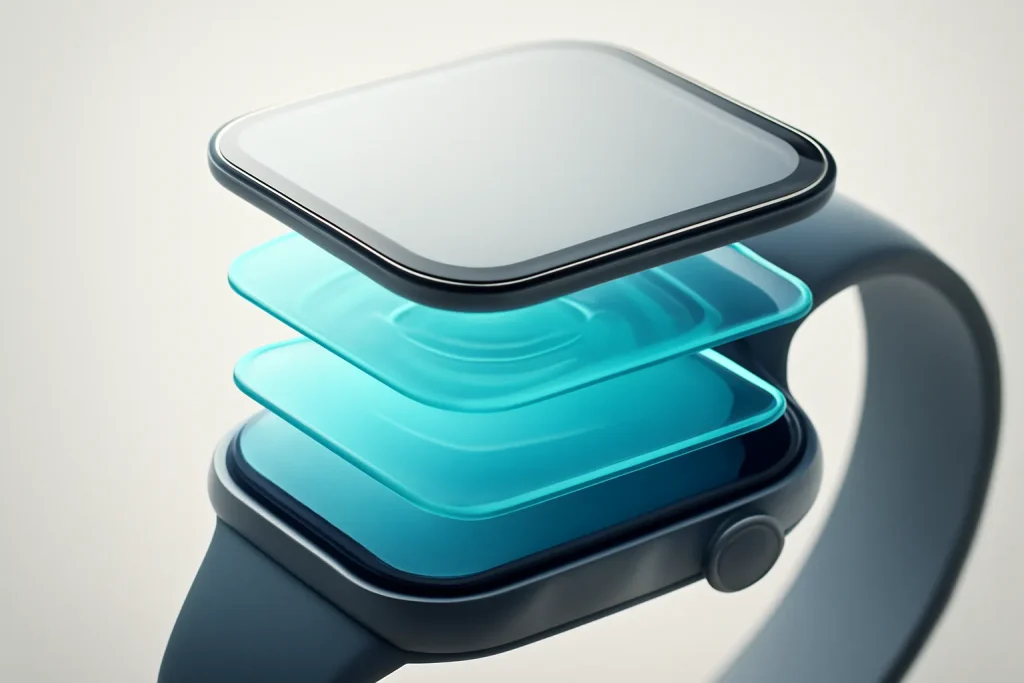
Real-world Use Cases: which one fits your profile
To choose the best Android smartwatch 2026 for you, it's more useful to map out your usage than to chase 'the latest'. Here is a practical guide, aligned with the models mentioned: 1) You want the most balanced package (apps, health, safety, Google integration): the Pixel Watch 4 is the most obvious candidate. It makes sense if you use Google services and want health metrics with the Fitbit layer, plus more advanced safety features. 2) You have a Samsung phone and value design plus tactile navigation: the Galaxy Watch 8 Classic is the most 'watch-like' on the wrist, with the rotating bezel being more than just aesthetics. The Galaxy Watch 8, in turn, tends to be the choice for comfort and lightness, especially if you sleep with the watch on and track your sleep. 3) You hate charging every day: the OnePlus Watch 3 is described as one of the few Wear OS watches that breaks away from the 24, 48 hour standard, aiming for several days of battery life depending on the usage mode (AOD vs. raise to wake). 4) You train seriously and want reports and 'fitness-first' metrics: the Garmin Venu 3 appears as a strong option thanks to battery life and wellness metrics, with reports like Body Battery and Morning Report (in the source text). It's a less 'apps' and more 'training and recovery' approach. 5) You want to spend little and have the essentials done well: the Amazfit Bip 6 emerges as the 'budget watch that doesn't feel like a toy', with good battery life and a surprising sensor package for its range, although the interface and assistant are less consistent. If you are interested in bioelectrical impedance measurements, it's worth cross-referencing this choice with iOutlet's guide to smartwatches with BIA in 2026, because not all models handle these metrics the same way.Limitations & Challenges: battery, updates and privacy
Even when a model seems to be the best Android smartwatch 2026, there are three recurring pitfalls. Real battery life vs. claimed battery life: GPS, AOD, calls and high brightness change everything. A watch that 'lasts two days' can drop to one day with daily workouts and the always-on display. If your routine includes GPS runs and music, prioritise battery life and fast charging, not just 'capacity' in mAh. Wear OS updates: Google controls the Wear OS update cycle and not all manufacturers keep up at the same pace. The source text mentions differences in support commitments between brands, which affects longevity and security. For anyone buying with 2, 4 years in mind, this matters as much as the hardware. Privacy and health data: watches collect sensitive data (sleep, stress, temperature, SpO2, ECG in some cases). Before enabling everything, check permissions, sharing and data export/deletion options. If the watch is for a child, the conversation changes: control, data minimisation and transparency become priorities. In this scenario, iOutlet's article on privacy in wearables for children helps structure decisions.What to do now: a quick checklist before you buy
If you're trying to decide on the best Android smartwatch 2026 without getting lost in comparison tables, use this checklist: 1) Confirm your Android compatibility (the minimum version required varies by brand/model). 2) Decide between Wi‑Fi and LTE: LTE gives you independence from your phone, but can mean extra costs and more power consumption. 3) Prioritise 2, 3 'non-negotiable' features (e.g. dual-band GPS, sleep metrics, payments, calls, specific sensors). 4) Assess comfort and size: an excellent watch that is uncomfortable will end up in a drawer. 5) Ask: how many days do you want without a charger? If the answer is 'more than two', the OnePlus Watch 3 and fitness-first options become more relevant.
FAQ
- Is the Pixel Watch 4 really the best Android smartwatch 2026 for everyone?
- No. It is the most balanced for most people, especially if you value Wear OS, Google integration and Fitbit metrics. If your priority is multi-day battery life, the OnePlus Watch 3 may make more sense.
- Is it worth choosing a Galaxy Watch if I don't have a Samsung phone?
- It might be, but it's worth checking that the features you want aren't limited outside the Samsung ecosystem. The experience tends to be more 'complete' when the phone is also a Samsung.
- What is dual-band GPS and why does it matter?
- Dual-band GPS uses two signal bands to improve accuracy, especially in cities with tall buildings or on trails with inconsistent coverage. For running and cycling, it can reduce route deviations and distance errors.
- How much should I factor in the always-on display (AOD) when choosing the best Android smartwatch 2026?
- A lot, because AOD is usually one of the biggest drains on battery life. If you want more autonomy, prefer models with good power management and use 'raise to wake' when possible.
- How many apps do I need to use an Android smartwatch?
- Often two: one for Wear OS and another from the manufacturer for advanced metrics and reports. Before you buy, check whether health and training management is in one app or scattered across several.
- Does an Android smartwatch work well with an iPhone?
- Generally, not the ideal combination. Even when it pairs, it's common to lose key features. If you need strong compatibility with iOS and Android, models like some Garmins tend to be more predictable choices.
Get more articles like this one.
Refurbished tech analysis + €5 with BEMVINDO5 on your first order.