Overview
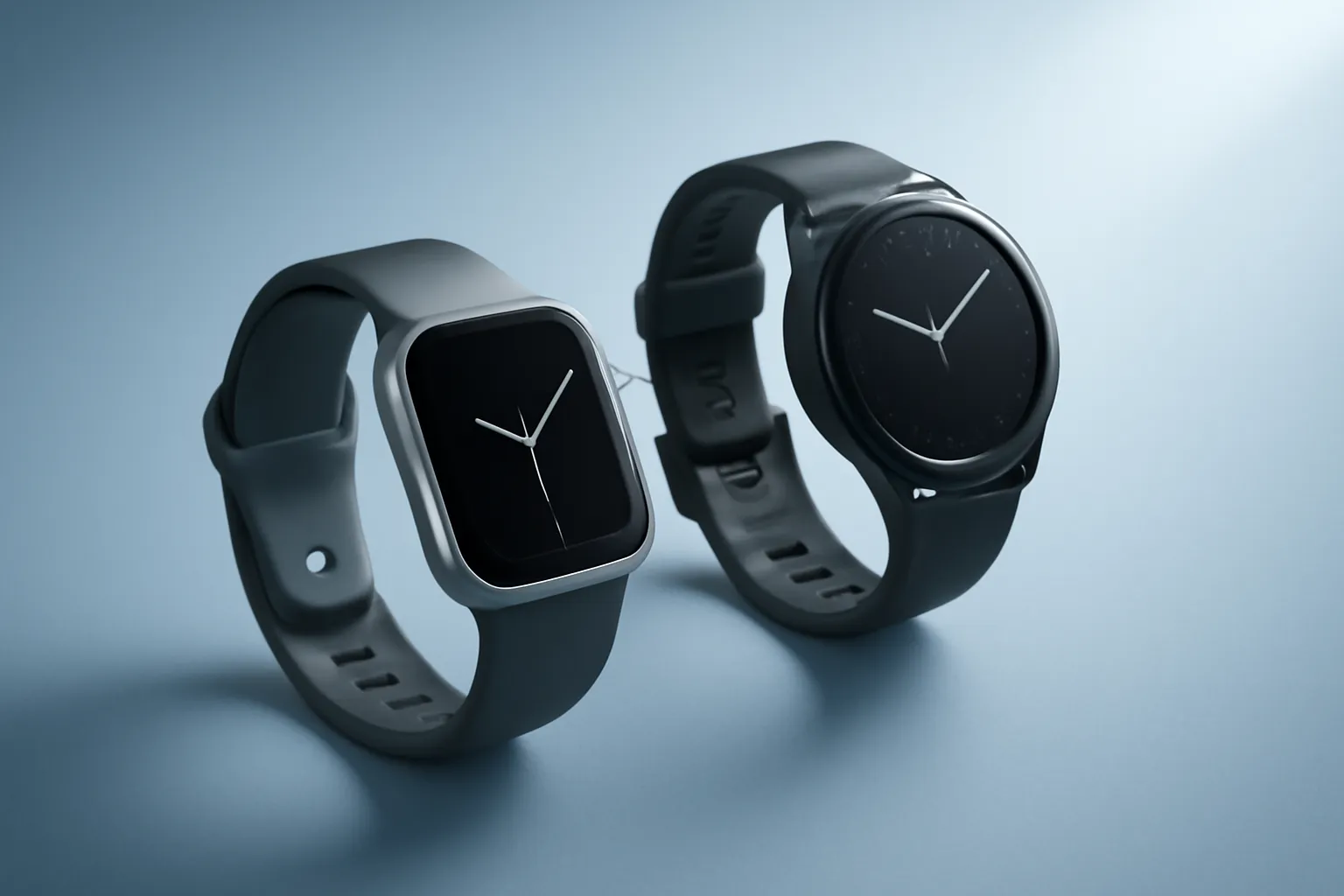
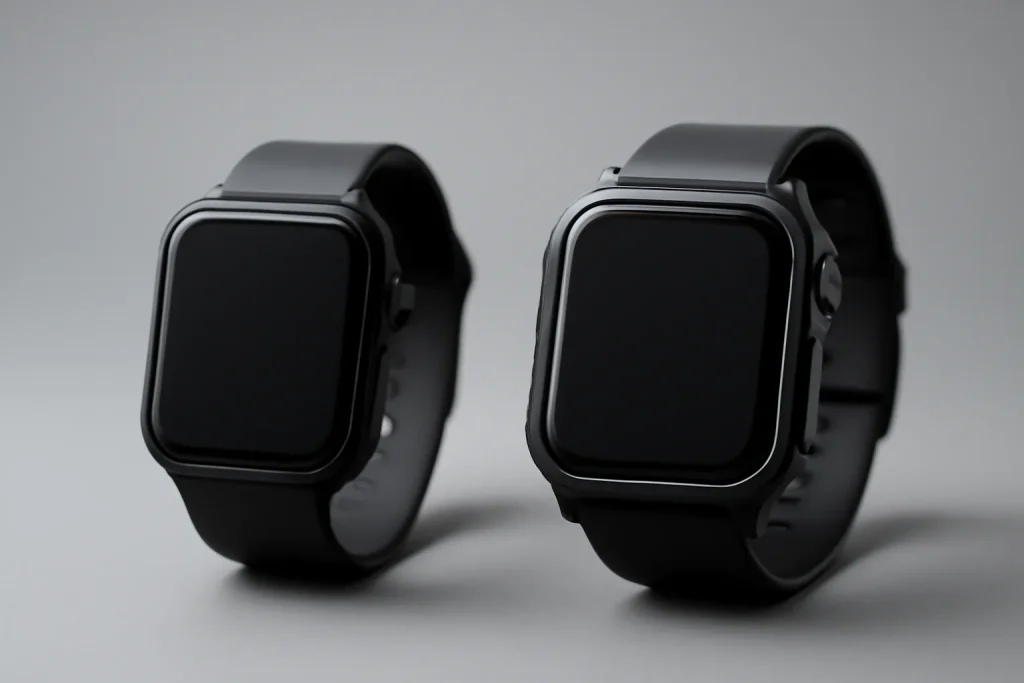
The scenario is simple: two “entry-level” smartwatches with different ambitions. The Apple Watch SE 3 is positioned as a generalist watch with a strong app ecosystem and smart features. The Amazfit Active Max is an entry-level running watch, focused on running metrics and battery life. The Apple Watch SE 3 vs Amazfit Active Max comparison is relevant because, in practice, many users want two things at once: credible activity data and a watch that doesn’t need constant charging. The test described in the original source involved wearing one watch on each wrist during an urban walk of 7.500 steps. The step count was controlled manually (mechanical counter), and metrics such as distance, pace and elevation gain were compared against a Strava recording. For editorial transparency, here is a reference to the original Tom's Guide article.Architecture & Specifications
Three technical differences explain much of the behaviour seen in Apple Watch SE 3 vs Amazfit Active Max: display, GPS and power management. Brightness and readability: the Active Max boasts a peak of 3.000 nits, compared to 1.000 nits on the SE 3, which makes quick glances easier in direct sunlight. “Nits” are the unit of display luminance; more nits usually means better outdoor visibility. On the other hand, the report notes a perceived slower refresh rate on the Amazfit, with less fluid menu navigation. Multi-band vs single-band GPS: the Active Max includes a multi-band antenna (capable of using more than one GNSS frequency), while the SE 3 is described as single-band. Put simply, multi-band GPS can reduce errors in “urban canyons” (narrow streets with tall buildings) and areas with signal reflection, although this does not automatically guarantee better final distance on every route. Sensors and metrics: both include GPS, an altimeter (sensor or estimate for altitude changes), accelerometers and a heart rate sensor. The difference lies in the software and the type of metrics displayed: the Amazfit highlights running metrics such as ground contact time , vertical oscillation and stride length, useful data for running technique, but less relevant on a casual walk.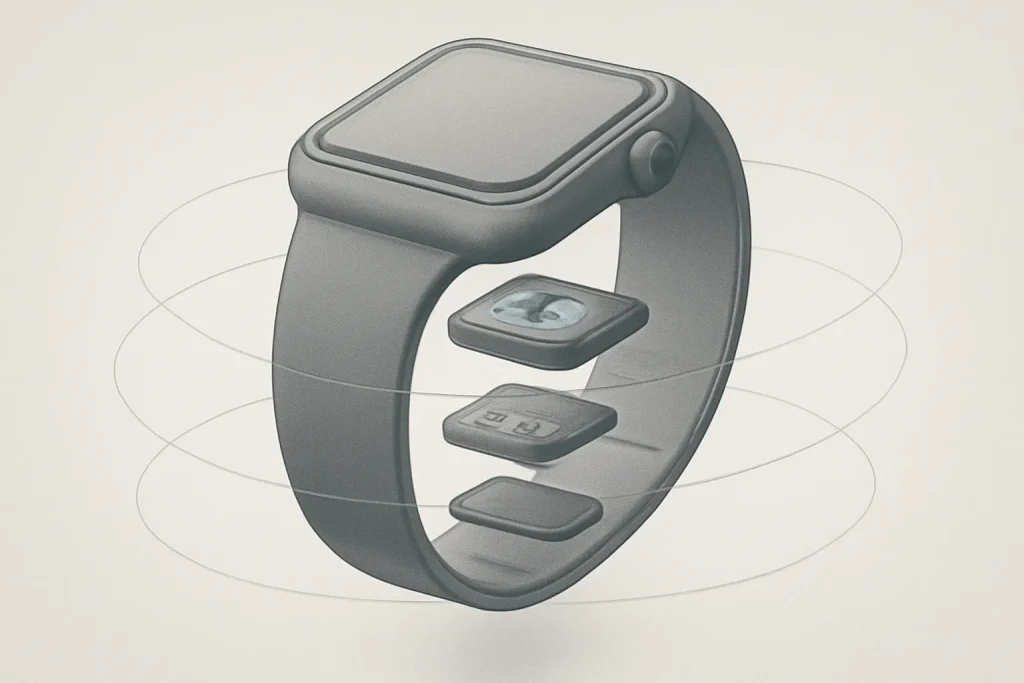
Real-World Use Cases
The 7.500-step test is interesting because it’s not a laboratory: it’s the street, variable pace, stops and small changes in direction. And it’s here that Apple Watch SE 3 vs Amazfit Active Max is decided by small but consistent margins. Steps: both stayed within 200 steps of the manual count (7.500), which is a good result for watches in this class. Even so, the Apple Watch SE 3 came closer to the control, and Strava also recorded 7.500 steps, reinforcing the view that the SE 3 was “more aligned” with the real total. Distance, pace and elevation: the pattern repeated: both watches “performed well”, but the SE 3 was slightly closer to the Strava reference. As for elevation gain, both reported values above the Strava control on the described route; this is common because altimetry in wearables can vary with calibration, atmospheric pressure and algorithm. Heart rate: the averages and maximums were similar between the two, despite being on different wrists. This suggests acceptable consistency for recreational training. That said, it’s worth remembering: wrist-worn watches measure by photoplethysmography (PPG), which can be affected by strap fit, tattoos, moist skin and sudden movements. Calories: the original text is rightly sceptical. Calorie estimates depend on models (age, weight, HR, movement) and vary between brands. In the Apple Watch SE 3 vs Amazfit Active Max comparison, the discrepancy is a useful reminder: use calories as a trend, not as absolute truth.Limitations & Challenges
There are two important limitations to consider before extrapolating the Apple Watch SE 3 vs Amazfit Active Max result to “the best watch in the world.” 1) One route is not every route: an urban walk of about an hour does not test trails, rain, cold, interval running, or difficult GPS environments. The Active Max might even benefit from multi-band in other scenarios, even if it didn’t “win” on final distance here. 2) Accuracy vs daily experience: the Apple Watch SE 3 wins on test accuracy, but the Active Max wins clearly on battery life. In the report, the SE 3 used 6% battery with GPS during the workout, while the Active Max used 1%. This changes your routine: daily charging vs charging at long intervals. For those who do long training sessions, travel, or simply don’t want to think about chargers, this point weighs as heavily as accuracy. There is also the ecosystem question: the Apple Watch tends to offer more apps and iPhone integration, while the Amazfit may be sufficient for those who want training and basic notifications. If you are evaluating purchases with deadlines and consumer protection, it is worth knowing the warranty and returns policies (an iOutlet editorial reference).What this means for you
In practice, Apple Watch SE 3 vs Amazfit Active Max comes down to one question: do you want the watch that is more “right” on walking and activity details, or the watch that lets you forget the charger? Choose the Apple Watch SE 3 if: you value step counts and walking metrics closest to the control; you want more smart features and apps; you already live in the Apple ecosystem and prefer a more polished interface experience. Choose the Amazfit Active Max if: battery life is a priority; you run and want running technique metrics on the watch; you need a more readable screen in sunlight; you accept less fluid navigation in exchange for battery life. A practical detail: before you decide, think about your usage pattern (daily GPS? long weekend workouts? constant notifications?). And remember to check shipping and processing times when buying online, so your expectations match the date you want to start using the gear.
FAQ
- Does the 7.500-step test prove the Apple Watch SE 3 is always more accurate?
- No. It shows that on that particular route and under those conditions, the Apple Watch SE 3 stayed closer to the control. Accuracy can change with activity type (running, trail), GPS environment and how the watch is adjusted on the wrist.
- Why didn’t the Amazfit Active Max’s multi-band GPS win on distance?
- Multi-band GPS can help in difficult areas, but the final result depends on the filtering algorithm, the route and the signal quality at that moment. On a specific route, the advantage may be small or may not appear.
- What is the difference between “steps” and “distance” on a smartwatch?
- Steps come mainly from the accelerometer (movement patterns). Distance can be estimated by GPS (outdoors) or by models based on stride length (without GPS). So a watch can get steps right and be slightly off on distance, or the other way around.
- Should I trust the calories burned that the watch shows?
- Use it as a trend reference, not as an absolute value. Calories are estimates based on models and vary between brands, sensors and personal profiles.
- Is GPS battery consumption comparable between brands?
- It is comparable only as a general indication. Each brand uses different chips, sampling rates and power-saving strategies. The test data suggests the Active Max is more efficient in that scenario, but it does not define every case.
If you’ve decided on the Apple Watch, you can save with a refurbished Apple Watch SE, tested and with a warranty.
In this article
Get more articles like this one.
Refurbished tech analysis + €5 with BEMVINDO5 on your first order.