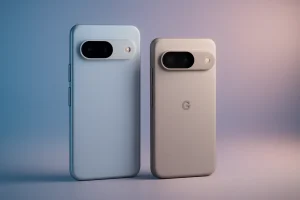
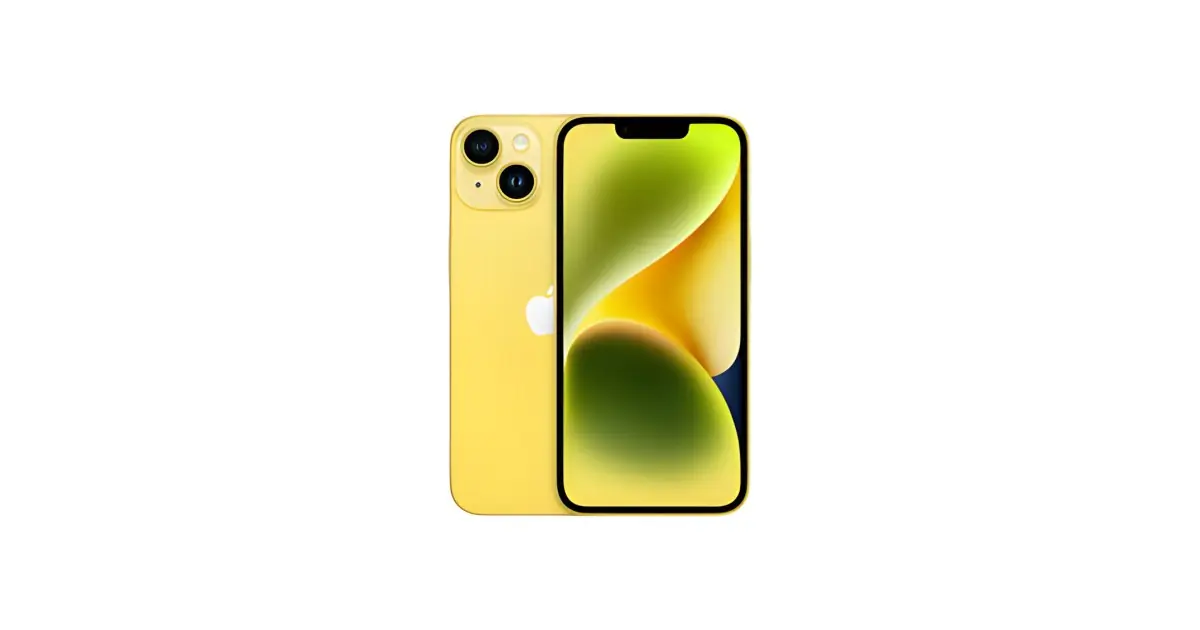
An Android Authority article rounds up seven concrete requests for the next wave of Android smartphones: more battery life without regional differences, video that finally matches (or beats) the iPhone, flagship processors that don't throttle due to heat, foldable flip phones that are genuinely affordable, more telephoto lenses in mid-range devices, budget-friendly Pixels without battery controversies, and the expansion of Linux desktop apps on phones. This matters to anyone buying in 2026, but also to anyone already feeling the limitations today: uneven battery life between markets, inconsistent video on Android, and reliability concerns with certain models. Source: original article.
In this article
Global View
The thread running through these 'wishes' is simple: Android hardware is increasingly powerful, but the real experience is still defined by three practical factors, power, thermals and software. In 2025 we've already seen a clear trend toward bigger batteries in some models, at the same time as concerns have emerged over overheating in flagship chips and battery reliability in more affordable devices.
For the average user, this translates into choices that are less obvious than 'the fastest one': a phone can excel at photos and fail at video; it can have a flagship SoC and lose performance during long gaming sessions; it can be cheap and still raise questions about battery longevity.
Technical Details
Big batteries 'for everyone': the text highlights that some recent models already reach 7.000mAh+ in certain markets, but not always with the same capacity in the EU/USA. The explanation given is transport regulations that limit the size of an individual cell. One way around this is the dual-cell battery design (two internal cells that together add up to a larger capacity), allowing higher numbers in markets with restrictions. For 2026, the ambition is that this approach becomes standard, preventing Europe from paying more and getting less battery life.
There is also a mention of silicon-carbon batteries , a chemical evolution that can increase energy density (more capacity in the same volume). The article notes, however, the idea that they may not last as long as the best lithium-ion batteries, though they could be comparable to conventional batteries in some recent devices. Here, the practical implication is clear: more mAh isn't everything; degradation after 18, 24 months, thermal management and charging all matter.
Android video at the level of the iPhone: the criticism is a recurring one in the industry, many Android phones already win on photos, but the iPhone still holds an advantage in video (stabilisation, consistency, focus and editing ecosystem). The text points to the APV (Advanced Professional Video) codec as a relevant technical piece: it is a format designed for higher quality video and more 'professional' workflows. There is also mention that a future Galaxy S26 line might support it, but a codec doesn't fix everything: stability, judder , autofocus and processing are what determine final quality.
Snapdragon 8 Elite Gen 5 without overheating: Android Authority says it observed heating in the first wave of devices with this chip, with an impact on sustained performance through throttling (automatic performance reduction to control temperature). The responsibility is shared: the manufacturer tunes the limits and dissipation; the chip designer sets targets and behaviour. For anyone who games, uses emulators or runs heavy tasks, the 'peak' performance matters less than the ability to sustain the pace for 15, 30 minutes.
Limitations & Challenges
A genuinely affordable Galaxy Z Flip: the text criticises the idea of an 'FE' when the price remains high for what it delivers. The tension here is structural: foldables have screen, hinge and tolerance costs that don't drop at the same rate as traditional slabs. For 2026, the realistic expectation would be to see smart cuts (materials, cameras, charging) without compromising the essentials: hinge durability, controlled creases and software support.
Telephoto in the mid-range: the telephoto lens (optical zoom) is no longer a luxury for many users, because it changes the way you photograph people, events and details without aggressive 'digital zoom'. The article cites examples of mid-range models with a 3x telephoto and high-resolution sensors, but assumes these are still the exception. The challenge for 2026 is balancing cost, internal space and priorities: a telephoto competes with a bigger battery, a better ultrawide or cooling systems.
Budget Pixels without battery drama: the text mentions reports of battery swelling and even more serious incidents in some older Pixels, as well as regulator alerts in Australia and the United Kingdom. It also mentions the controversy around limiting capacity/charging speed by default in recent models, through 'battery health assistance' mechanisms. In practice, this affects confidence: when a manufacturer needs to impose limits to protect the battery, the consumer questions what they are buying. For anyone considering a refurbished or older device, it is worth checking support policies and safety procedures.
If you're evaluating a smartphone (new or refurbished) with a focus on longevity, it makes sense to understand the after-sales rules and consumer protection. In iOutlet's editorial context, you can check warranty conditions and returns policy to understand timeframes and scope.
What changes for the user
More predictable battery life: if dual-cell batteries become the norm, comparing models will depend less on the country where you buy. This simplifies decisions and reduces frustration in markets where, historically, some versions arrive 'capped'.
Video as a real buying criterion: when Android consistently matches the iPhone on video, the choice stops being 'Android for photos, iPhone for video'. For creators, this could mean less need to switch ecosystems for a single requirement.
Fewer surprises in games and heavy tasks: chips that run cooler and maintain performance change the experience in long gaming sessions, extended 4K video recording and demanding multitasking. Here, the gain isn't a benchmark number; it's stability.
Productivity in your pocket (Linux on Android): the Linux Terminal app, as described, lets you run desktop Linux apps in a virtual machine. This is niche, but it could become relevant for developers, admins and advanced users. The current blocker, lack of support on Snapdragon processors, limits adoption on many flagships. If Qualcomm adds support, it opens the door to scenarios like using a desktop mode (for example, Dex) with apps closer to a PC.
Next Steps
For anyone buying in 2026, these seven points work as a checklist: (1) confirm whether the battery capacity is the same in Europe, (2) look for long video samples with movement, (3) read sustained performance and temperature tests, (4) assess whether a 'cheap' foldable is really a good deal, (5) give weight to telephoto in mid-range if you photograph people, (6) follow reliability history and battery policies on specific lines, and (7) if you want productivity, understand which chips support (or don't) Linux solutions.
If you're buying soon and you value flexibility, set your priorities and deadlines. When buying online, also check shipping and processing times to align expectations with your timeframe.
FAQ
- What is a 'dual-cell' battery and why does it matter in Europe?
- It is a battery made up of two internal cells. It can help manufacturers comply with transport limits per cell while still offering a higher total capacity in markets like the EU.
- Does more mAh always mean better battery life?
- Not always. Battery life also depends on the screen, modem, chip efficiency, thermal management and the software itself. In addition, degradation over time can vary with the chemistry and with charging habits.
- What is the APV codec and what could it change for video?
- APV (Advanced Professional Video) is a codec designed for higher quality video capture and more professional workflows. It can improve quality and editing, but it does not replace good stabilisation, autofocus and consistent processing.
- Why does a flagship 'heat up' and lose performance?
- When the temperature rises, the system automatically reduces performance (throttling) to protect the hardware and maintain safety. The solution comes down to better dissipation, power tuning and, in some cases, software updates.
- Is telephoto in the mid-range worth it for someone who isn't a 'photographer'?
- Yes, because it improves portraits and event photos without resorting to digital zoom. Even for casual use, an optical 2x/3x zoom usually delivers cleaner and more consistent results.
- Do the battery problems in some Pixels mean all models are risky?
- Not necessarily. The article mentions reports and alerts associated with certain models/generations. The safest approach is to check the history of the specific model, updates and any manufacturer support programmes.
Get more articles like this one.
Refurbished tech analysis + €5 with BEMVINDO5 on your first order.