In this article
- The Big Picture: why RAM is back in charge
- Technical Details: on-device AI, multimodality and the memory cost
- Real-world Use Cases: where RAM shortage shows first
- What's changing in the market: more RAM as "insurance" and cuts where it hurts
- Next Steps: how to choose RAM in 2026 without overdoing it
- What to do now: quick checklist before you buy
- FAQ

The Big Picture: why RAM is back in charge
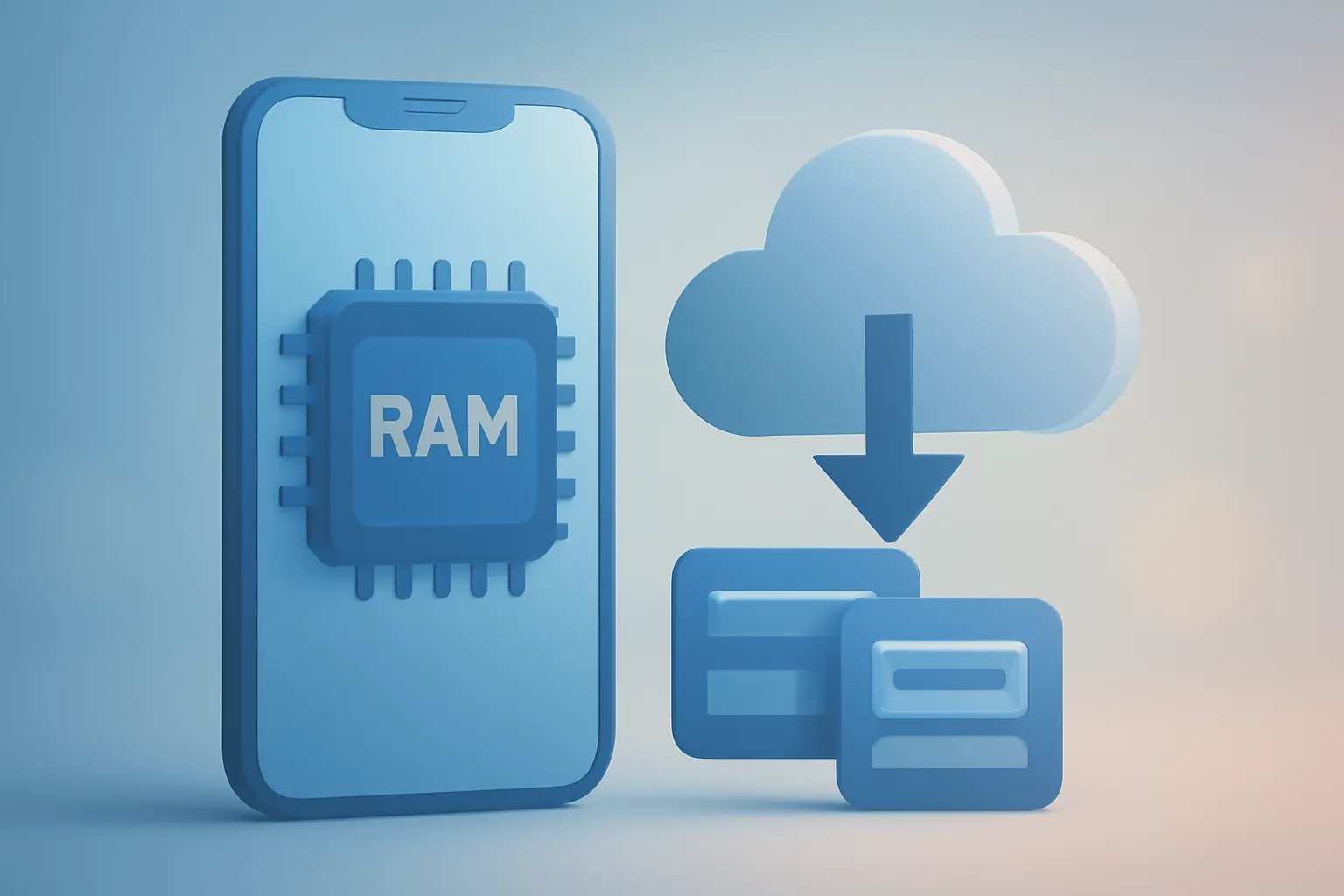
For years, the conversation was dominated by CPU, megapixels and screen brightness. In 2026, most mid-range SoCs already execute the "basics" with ease: social networks, browsing, streaming, payments and computational photography. What changes is the type of tasks you're trying to push into the phone: AI models running locally, alongside open apps, widgets, background services and personalisation layers. RAM (random access memory) is the fast workspace where the system keeps apps and data ready to use. When RAM runs short, Android (or iOS) closes processes, unloads apps from memory and reloads them later. This is not just "one more second": it changes the multitasking experience and can prevent features that need to keep models resident in memory. That's why RAM in smartphones 2026 stops being an abstract number. It becomes a practical indicator of longevity: how long your phone will continue to receive new features without being left "off the list".Technical Details: on-device AI, multimodality and the memory cost
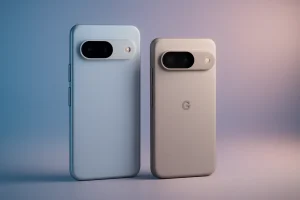
The critical point is not just "having AI", but what type of AI. On-device models avoid sending data to servers and can respond faster. In return, they require available memory to load model weights, audio/image buffers and context (for example, a short command history). "Multimodality" is the ability of a model to handle text, audio and images together; it tends to be heavier than a text-only model. In the case described in the source text, the Pixel 9a with 8GB is limited to a lighter variant (text-only) and loses features that, in other models, depend on on-device AI. Even if some tasks can be done in the cloud, there are two reasons to prefer local execution: (1) privacy: calls, notifications and screenshots are sensitive data; (2) latency: sending, processing and returning results takes time and is not always acceptable. There's also a little-discussed secondary effect: "always-on" AI competes with the rest of the system. A resident model can reduce the headroom for games, camera and heavy apps. In practice, RAM in smartphones 2026 influences both the availability of features and the consistency of performance throughout the day.
Real-world Use Cases: where RAM shortage shows first
Not everyone will notice the difference in the first month. RAM shortage tends to show up in specific usage patterns: 1) Multitasking with "heavy" apps Switching between camera, messages, maps and browser can lead to frequent reloads. The typical symptom is returning to an app and it restarting, losing the point where you were. 2) System features with AI Notification summaries, call notes, screenshot organisation and contextual assistants tend to require models and pipelines that benefit from more memory. If the manufacturer chooses not to provide the feature on certain models, it's not "whim": it can be a decision to avoid failures, overheating or degraded experience. 3) Real longevity vs. update longevity Seven years of system updates are valuable, but they don't guarantee seven years of equivalent features. A phone can receive the update and still be left out of new features due to hardware limitations: and RAM is one of the most likely in 2026. 4) Privacy by default When a feature "moves to the cloud" to work around local limits, the user may gain compatibility but loses control. Even with good policies, there's always a difference between processing locally and sending content to servers.What's changing in the market: more RAM as "insurance" and cuts where it hurts
The source text points to a relevant contrast: some mid-range models already offer configurations with 12GB, while others arrive with 8GB and fall behind in features. This helps explain a trend: RAM stops being just a spec sheet item and becomes a product argument, especially when AI is used as a flagship feature. It also changes how you should compare phones. Instead of just looking at the "year's" chip, it makes more sense to evaluate the whole package: RAM, storage (to keep apps and data), and the feature policy (what's local, what's cloud, what's exclusive). If you're thinking of keeping the phone for several years, this logic approaches the usual advice of choosing more comfortable configurations: just as you do with storage. For editorial context within iOutlet, the upgrade decision is not always annual; it's worth crossing signs of wear and real needs before switching, as in this guide on when to change your phone.Next Steps: how to choose RAM in 2026 without overdoing it
There's no universal magic number, because it depends on the manufacturer, how it manages memory and the type of AI it promises. Still, there are practical rules that avoid regrets: 1) Prioritise headroom for on-device AI If the brand sells the phone with a focus on AI, confirm whether the main features run on-device or in the cloud. When communication is vague, assume the model with less RAM will have more limitations over time. In RAM in smartphones 2026, the difference between "it works" and "it has everything" could be here. 2) Avoid buying "already behind the curve" A model that arrives on the market with less RAM than its own lineup (or than direct rivals) can age faster in features, even with updates. 3) Look at your usage pattern If you use camera intensively, switch between many apps and want assistant features always ready, extra RAM tends to translate to less daily friction. If usage is light and you accept more cloud dependency, you can live with less: with appropriate privacy caveats. 4) Consider the "package" of longevity RAM is central, but it doesn't replace battery, storage and software support. If you're buying with a long horizon, combine these criteria. For those comparing ecosystems and priorities (performance, AI and integration), this iOutlet article can help: performance, AI and ecosystem.
What to do now: quick checklist before you buy
Before you choose, ask three simple questions: (1) Are the AI features I care about local or cloud? (2) Does the model with less RAM in the range lose features today? (3) Do I want to keep this phone for five years or more? If the answer to the third is "yes", RAM in smartphones 2026 should weigh more than the "newest" chip. For editorial transparency, the starting point for this analysis is the original Android Central piece: RAM is the only phone spec that matters in 2026.FAQ
- How many GB of RAM makes sense in 2026 to be "at ease"?
- It depends on the manufacturer and the AI features promised. As a prudent rule, avoid configurations that already fall below the rest of the brand's lineup, especially if the phone is sold with a focus on on-device AI.
- Does more RAM make the phone faster at everything?
- Not always. RAM helps mainly with multitasking and keeping apps/models loaded. For short tasks (opening a light app, taking a simple photo), the processor and system optimisation can weigh more.
- What is "on-device AI" and why does it need RAM?
- It's AI that runs locally on the phone, without sending data to servers. It needs RAM to keep the model and temporary data in memory, ensuring fast response and reducing cloud dependency.
- If AI can go to the cloud, why does RAM still matter?
- Because not everything should go to the cloud (privacy) and not everything works well with network latency (speed). Plus, even with cloud, the phone still needs RAM for the system, apps and simultaneous tasks.
- Can a phone receive updates for years and still lose features?
- Yes. System updates don't guarantee feature parity. New tools may require more RAM or other resources and be limited to models with sufficient hardware.
- How can I tell if a model with less RAM is being "capped" in features?
- Look for official feature compatibility lists (for example, call notes, summaries, smart organisation). When the brand doesn't detail this, compare with models in the same series and see if there are explicit differences in the feature set.
Get more articles like this one.
Refurbished tech analysis + €5 with BEMVINDO5 on your first order.