In this article
- Global View: two philosophies, two types of user
- Competition & Pricing: cost today vs value tomorrow
- Technical Details: display, performance and real-world battery
- Ecosystem Integration: what you gain or lose by switching
- Real-World Use Cases: photography, productivity and innovation
- Next Steps: how to decide without regrets
- FAQ

Global View: two philosophies, two types of user
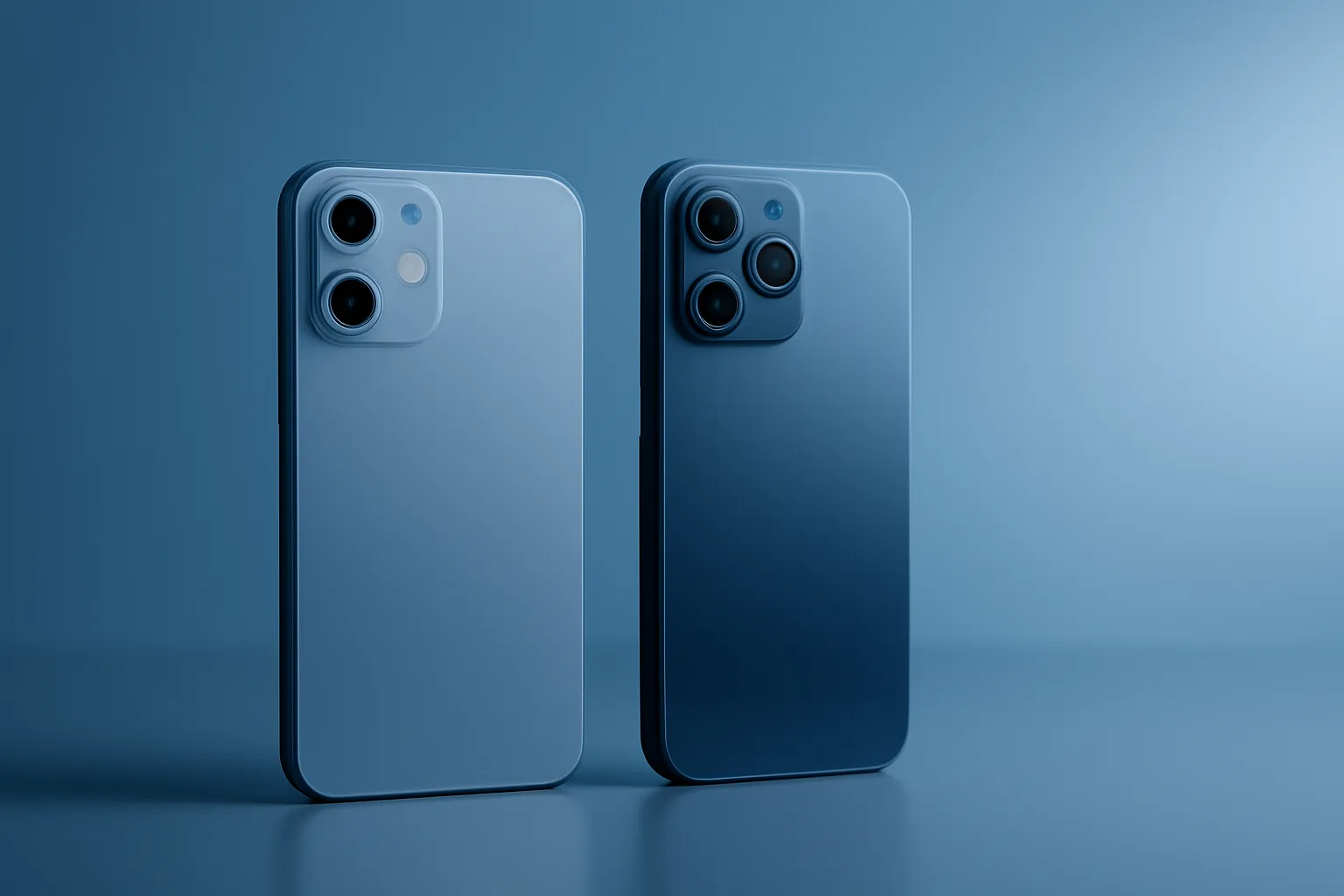
In practice, iPhone vs Samsung 2026 is a clash between control and integration (Apple) and flexibility with hardware variety (Samsung). The iPhone tends to deliver a more predictable experience: less variation between models, more consistent app behaviour and an update cycle that usually reaches more users at the same time. Samsung covers more segments and usage styles, from flagship to foldable, and gives you more room to tailor the phone to your workflow. There's also a psychological factor: anyone already living inside an ecosystem (watch, tablet, PC, services) feels friction when switching. That friction isn't marketing spin; it's lost time migrating data, relearning shortcuts and reconfiguring logins. So the comparison makes more sense when you look at the whole picture, not just the spec sheet.Competition & Pricing: cost today vs value tomorrow
Price is rarely just the number on the tag. In iPhone vs Samsung 2026, Samsung typically runs campaigns, trade-ins and seasonal promotions, which can lower the entry cost, especially if you buy at launch but are willing to wait for a discount window. Apple tends to hold steadier prices with fewer promotional swings, often making up the difference with stronger resale value in the used market. If you change phones often, the total cost may favour the iPhone: you pay more upfront but get more back at the end. If you want the most specs per euro at purchase time, Samsung's commercial strategy is often better value. And one practical detail: return policies and decision windows should weigh as heavily as the price, it's worth checking processing timelines and return conditions before you lock in your choice.Technical Details: display, performance and real-world battery
In iPhone vs Samsung 2026, the display is one area where differences are easiest to feel. Samsung has a strong track record with AMOLED panels and productivity features like split-screen and pop-up multitasking. Apple tends to focus on colour calibration and brightness for visual consistency and a polished experience across apps and video. If you work on your phone, how the system handles multitasking matters more than raw clarity. On performance, the comparison rarely boils down to benchmark winners. In daily feel, the iPhone tends to shine on single-core tasks, app opening, interface fluidity and intensive games. Samsung, depending on model and configuration, often excels on multi-core loads and multitasking scenarios where multiple apps compete for resources. In plain terms: if you switch between apps frequently, Samsung's approach may suit you better; if you want predictability and stability, the iPhone is usually more consistent. On battery, the nuance is decisive. Apple has a reputation for efficiency and good standby consumption, even with battery capacities that don't look huge on paper. Samsung tends to pack bigger batteries and faster charging (including wireless and reverse options on some models), but real-world endurance depends heavily on your usage profile and software optimisation. The useful question isn't which lasts longer, but which lasts longer in your day: high brightness, 5G, camera, browsing and social apps can all flip expectations.
Ecosystem Integration: what you gain or lose by switching
The ecosystem is the invisible tax in iPhone vs Samsung 2026. On Apple's side, iOS, iPadOS and macOS tend to work as one unit: fast file sharing, task continuity and sync with fewer steps. On Samsung's side, Android offers more customisation and broad integration with third-party services, plus strong ties to Windows PCs in many scenarios. The difference is less about what's possible and more about how many clicks it takes to get there. Update cadence also counts. Apple is known for pushing new iOS versions simultaneously to many compatible models. On Android, the experience varies by manufacturer and carrier; Samsung has improved, but timing still varies more. If security and predictability are your priorities, this matters. If you need support and fast issue resolution, it helps to know the official resources: Apple support and Android/Google support help with account policies, backups and recovery. And if your decision hinges on post-purchase peace of mind, double-check the warranty and coverageterms.Real-World Use Cases: photography, productivity and innovation
On the camera front, iPhone vs Samsung 2026 usually splits between consistency and versatility. The iPhone is often associated with predictable results: stable skin tones, strong video and photos ready to share with minimal editing. Samsung tends to offer more tools and creative modes, including aggressive zooms and manual controls on some models, which appeals to anyone who likes to experiment, though consistency can vary more between scenes. On productivity, Samsung has strengths like desktop modes (Samsung DeX on compatible models) and a more open approach to home screen customisation, shortcuts and automation. Apple answers with deep ecosystem integration and a generally uniform experience across apps. If you use your phone as a work tool, map your tasks: calls and email, document editing, calendar management, note taking, and see which platform delivers those with less friction. As for innovation, Samsung continues to push hardware, especially foldables (Galaxy Z line). Apple tends to adopt technologies later, focusing on maturity and reliability. In 2026, that translates to a clear choice: do you want to try new form factors and features, or do you prefer a more conservative but stable path?
Next Steps: how to decide without regrets
To close iPhone vs Samsung 2026 with a clear head, ask yourself three questions: (1) What devices have you already invested in (watch, tablet, computer)? (2) How long will you keep the phone and what are the chances you'll resell it? (3) Is your usage more about creating and tweaking (customisation, multitasking, advanced modes) or using and forgetting (simplicity, consistency, predictable updates)? If you're comparing recent flagships, a focused breakdown of key differences between premium models may help, like iOutlet's guide on key differences between flagship models. For editorial transparency, this adaptation is based on original research compiling these trends in 2026: original source.FAQ
- In iPhone vs Samsung 2026, which is the safest choice for buy-and-forget?
- As a rule, the iPhone tends to be more predictable for updates and app consistency, which reduces friction over the years. That said, some Galaxy models may suit you better if you value fast charging and multitasking.
- What matters more in total cost: Samsung discounts or iPhone resale value?
- It depends on your upgrade cycle. If you switch often, iPhone resale can tip the balance. If you want the best specs per euro at purchase time, Samsung's promotions and trade-ins can lower the entry cost.
- How do you compare batteries without falling into mAh versus mAh?
- Look at real-world endurance: brightness, 5G, camera time and background apps. System efficiency (power management and standby) can matter more than the advertised capacity.
- Do foldables fit into this iPhone vs Samsung 2026 comparison?
- Yes, Samsung offers foldables as a genuine alternative for productivity and content consumption. Apple, as of the source material, takes a more conservative approach, which can be an advantage if you prefer to avoid new form factors.
- What's the critical point for someone coming from Android and thinking of switching to iPhone, or the reverse?
- The critical point is the ecosystem: messaging, backups, photo management, in-app authentication and accessories. Before switching, confirm how you'll migrate your data and which services stay locked to your current platform.
Get more articles like this one.
Refurbished tech analysis + €5 with BEMVINDO5 on your first order.