In this article
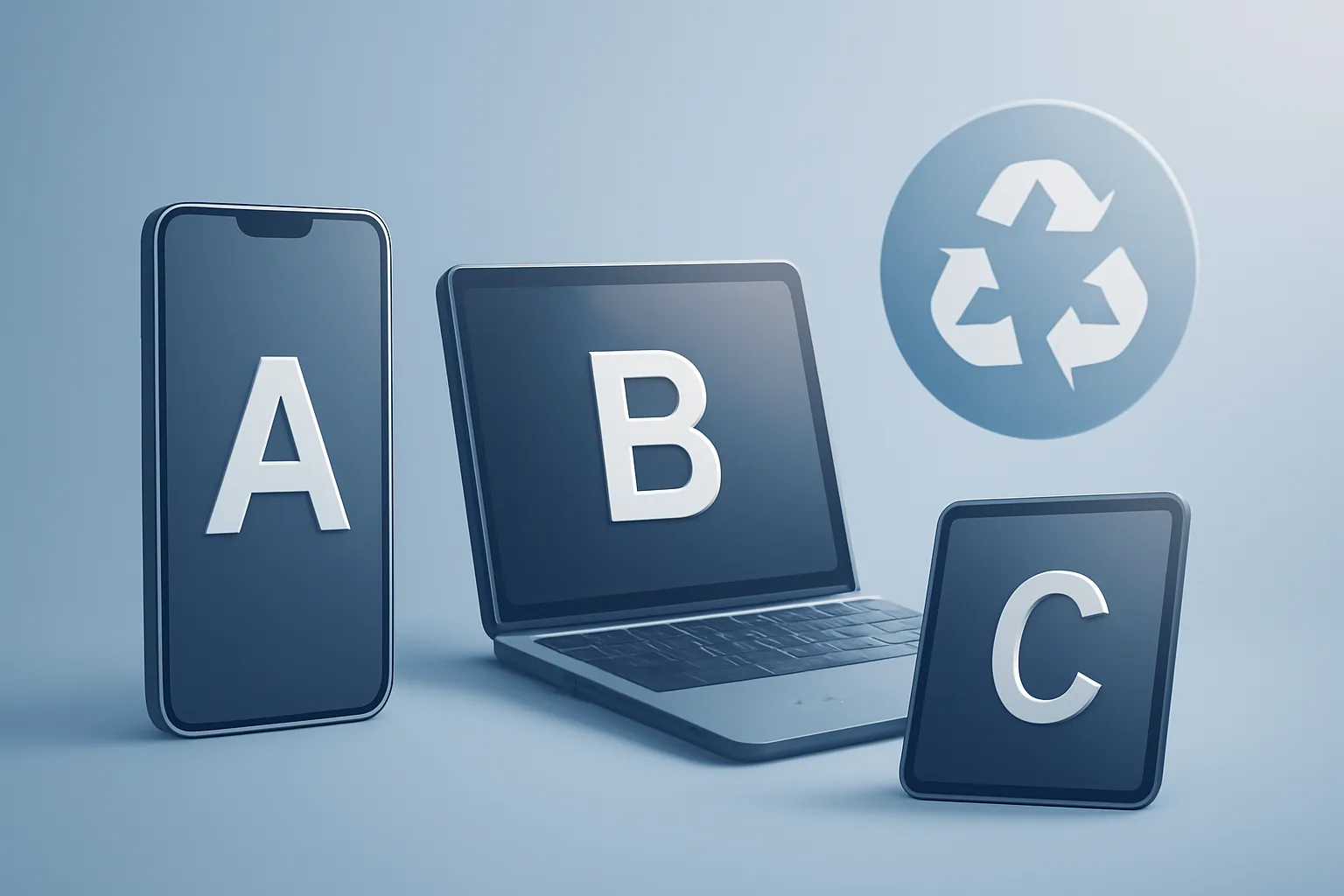
- What "Grades A, B and C refurbished" means (and what it doesn't)
- Typical criteria: Grade A vs Grade B vs Grade C
- Grade A
- Grade B
- Grade C
- What changes in real use: battery, screen, performance and "like-new feel"
- How to compare prices without shortcuts (and when to pay more)
- Quick checklist before buying (regardless of grade)
- Practical examples: who should choose A, B or C
- What to do now
- FAQ: Grades A, B and C refurbished
What "Grades A, B and C refurbished" means (and what it doesn't)
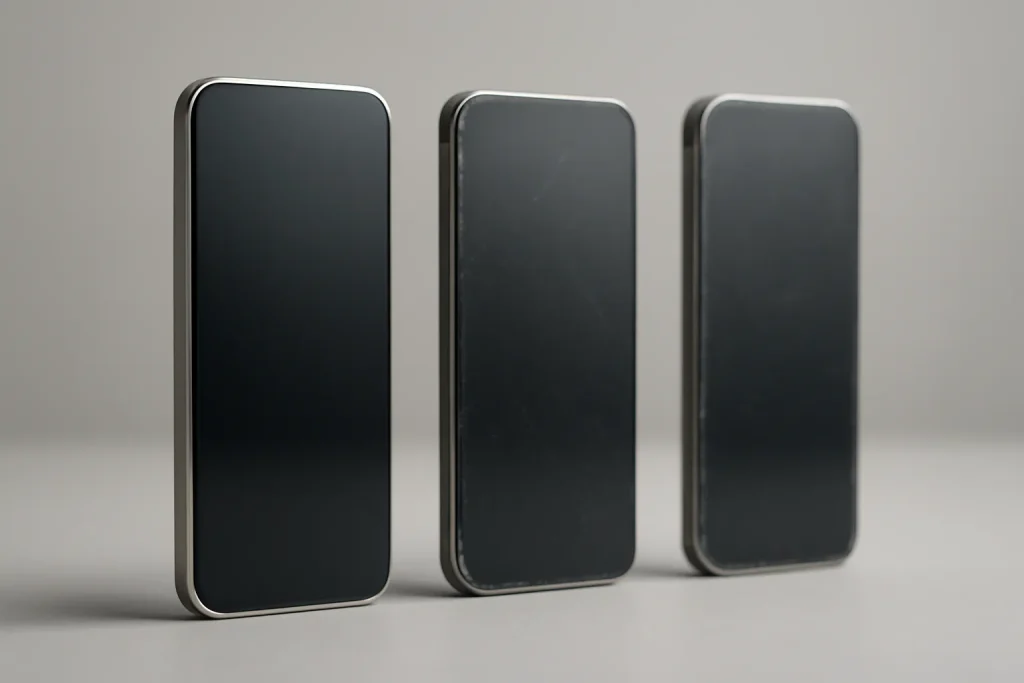
In simple terms, "grade" is a label of aesthetic condition. It's meant to anticipate the level of visible wear: scratches, marks, small dents or signs of use on the screen and casing. In many shops, the grade may also reflect the likelihood of the device having replaced components (for example, battery), but this is not guaranteed: it depends on the refurbishment process and each seller's policy. What the grade normally doesn't guarantee on its own: exact battery capacity, the complete absence of replacements, the origin of the device, or that all testing was done with the same rigour. That's why the grade should be read alongside the product description, warranty conditions and return policy. If you're exploring options, it's worth starting with the iOutlet blog and the technology section, where it's easier to cross-reference concepts and buying decisions.Typical criteria: Grade A vs Grade B vs Grade C
There's no universal standard for "Grade A/B/C", but there are recurring patterns in the market. Think of this as a scale from "barely any marks" to "obvious marks".Grade A
- Appearance: minimal signs of use; very light scratches or practically imperceptible at normal viewing distance.
- Screen and bezel: tends to have fewer visible marks; micro-scratches may exist, but they're not supposed to dominate the experience.
- Who it suits: those who value aesthetics (gifts, professional use with frequent exposure, future resale).
Grade B
- Appearance: moderate signs of use; scratches visible on closer inspection, small marks on bezel/corners.
- Screen and bezel: may have more noticeable scratches, but typically without compromising touch or readability under normal conditions.
- Who it suits: those who want to save without accepting "surprises"; a good balance between price and appearance.
Grade C
- Appearance: obvious wear; more pronounced scratches, marks on corners, clear signs of use.
- Screen and bezel: higher likelihood of visible marks; ideally confirm whether there's information about deep scratches and whether they affect visibility.
- Who it suits: those who prioritise cost and functionality (work equipment, use with a case, "secondary phone").
What changes in real use: battery, screen, performance and "like-new feel"
The difference between Grades A, B and C refurbished is felt mainly at first contact: the appearance and "like-new feel". Day to day, what usually matters most is:- Battery: battery life depends on battery condition and usage profile. If the shop indicates criteria (for example, testing, replacement, percentages), that matters more than the grade.
- Screen: fine scratches may disappear with a screen protector; deep scratches may be more bothersome on light backgrounds and in sunlight.
- Structure and buttons: small marks don't affect use, but loose parts, inconsistent buttons or ports with poor contact are functional signs (not aesthetic) and should be covered by testing/warranty.
- Performance: as a rule, it's not the grade that determines speed; performance depends on the model, storage, RAM, system health and updates.
How to compare prices without shortcuts (and when to pay more)
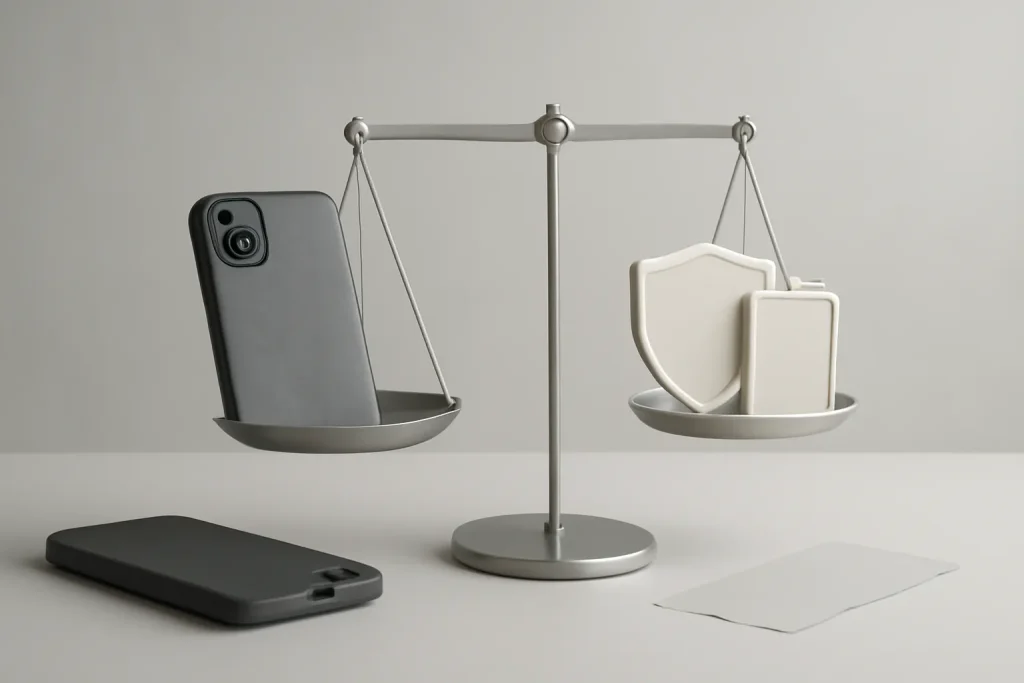
It's normal for Grades A, B and C refurbished to have price differences. The common mistake is assuming "Grade A" is automatically the "better buy". Sometimes it is; other times, you're paying mainly for cosmetics. Pay more when:- the device will be used without a case/protector and appearance matters;
- it's for a gift or professional use with exposure;
- you want to maximise resale ease.
- you'll use a case and protector from day one;
- the device is a "tool" (field work, warehouse, workshop);
- you prefer to invest the difference in storage, accessories or a better battery (where that information exists).

Quick checklist before buying (regardless of grade)
- Condition description: are there details about screen, bezel and back, or just "A/B/C"?
- Functional testing: is there evidence of screen, camera, microphone, speaker, charging and connectivity testing?
- Battery: is there information on replacement or minimum criteria? If not, expect variability and decide if that's acceptable.
- Unlocks: confirm it's carrier-unlocked and has no account locks (where applicable).
- Warranty and returns: read the terms and timeframes; this is where "cheap" separates from "good buy".
Practical examples: who should choose A, B or C
Without inventing "universal rules", these scenarios help you decide:- Grade A: user who works with clients and uses the device as a "business card" (meetings, counter, consulting).
- Grade B: someone who wants a good compromise: accepts light/moderate marks, but wants to avoid obvious wear.
- Grade C: user who'll protect the device with a sturdy case, or who needs a secondary device for specific tasks.
What to do now
- Define your priority: aesthetics, price, or balance.
- Choose the grade based on your use (with or without case/protector).
- Confirm battery, testing and warranty/return conditions before finalising.
- If you're unsure, compare two grades side by side and decide whether the aesthetic difference justifies the cost.
FAQ: Grades A, B and C refurbished
Are Grades A, B and C in refurbished devices an official standard?
No. It's a market convention to describe aesthetic condition and can vary between sellers, so it's worth reading the detailed criteria.
Does Grade C mean the device works worse?
Not necessarily. Generally, the grade reflects appearance. Functionality depends on testing, battery condition and any replacements, not the grade letter.
Is it worth paying more for Grade A?
It's worth it when aesthetics matter (professional use, gifts, resale). If you'll use a case and protector, Grade B or C may be more rational.
Does the grade say anything about the battery?
On its own, no. Battery life depends on battery condition and seller policies (testing, minimum criteria, replacement).
How do I avoid surprises when buying refurbished?
Look for information on functional testing, screen condition, battery, unlocks and warranty/return conditions. The grade should be just one piece of the puzzle.
Get more articles like this one.
Refurbished tech analysis + €5 with BEMVINDO5 on your first order.