In this article
- What changes in 2026: more “software”, less superstition
- Technical Details: the 20-80 rule and why it works
- Chargers, cables and fast charge: convenience with a thermal cost
- Limitations & Challenges: heat, cases and habits that seem harmless
- What changes for the user: overnight charging, battery health and the anxiety of 100 %
- Practical Advantages: adaptive modes and updates that save energy
- Next Steps: simple checklist to apply now
- FAQ
What changes in 2026: more “software”, less superstition
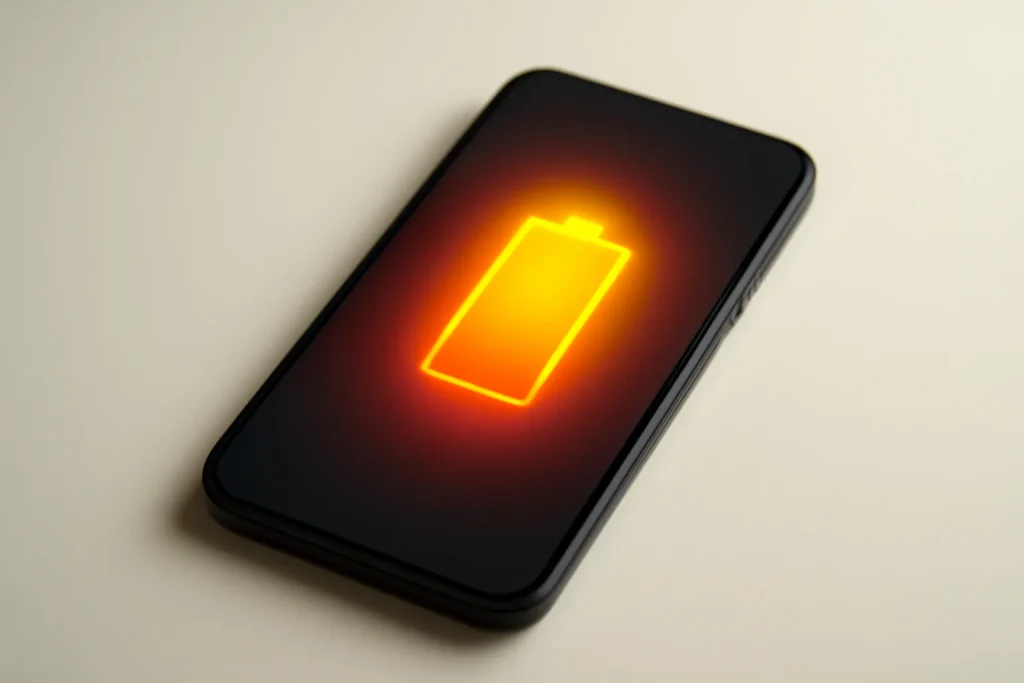
rnBatteries remain Li‑ion or Li‑poly (a Li‑ion variant), but the way the system protects them has evolved. Today, charging is managed by algorithms that adjust power, pause the charge and handle background tasks. This means that caring for the mobile phone battery depends as much on physical habits (temperature and chargers) as on settings (optimised charging, power‑saving modes and updates).rnrnTwo concepts help understand the recommendations: voltage (charging to 100 % keeps the battery at a higher chemical stress level) and heat (accelerates internal reactions and degradation). If you have to choose, control heat first; it’s the most consistent “silent killer”.Technical Details: the 20-80 rule and why it works
rnTo care for the mobile phone battery, the most useful practical rule remains to avoid extremes: don’t let it regularly drop to 0 % and don’t keep it at 100 % for long periods. In Li‑ion cells, partial cycles tend to be less aggressive than full discharges followed by full charges. In practice, aiming for between 20 % and 80 % reduces the time spent at elevated voltage and lessens cumulative stress on the cells.rnrnThis doesn’t mean you should "never" charge to 100 %. Some days you need extra runtime; the point is to avoid making it the daily norm, especially when the phone remains plugged in for hours after reaching 100 % (for example, on a desk or overnight without active optimisation).rnrnIf your system has optimised/adaptive charging, it’s worth enabling. On iOS and Android, these features aim to keep the charge near 80 % for most of the time and finish charging close to your usual wake‑up hour. It’s an automatic way to care for the mobile phone battery without constantly monitoring percentages. For official guidance and the exact names of the options on your model, consult the support pages of Apple Support and of Google Support.Chargers, cables and fast charge: convenience with a thermal cost
rnFast charging is convenient, but it tends to generate more heat - and repeated heat speeds ageing. To care for the mobile phone battery, reserve fast charge for when you truly need to “top up” quickly. In long charging sessions (at work, at home, overnight), a slower charger can be preferable, as it reduces thermal spikes and keeps the system more stable.rnrnThe second point is electrical safety and stability. Avoid dubious‑origin accessories: low‑quality cables and adapters can cause voltage fluctuations, abnormal heating and even damage the charging circuit. The practical recommendation is simple: use chargers and cables certified for your phone’s ecosystem (for example, certifications recognised for iPhone and for USB‑C). This is one of the habits with the best effort‑to‑benefit ratio for caring for the mobile phone battery.Limitations & Challenges: heat, cases and habits that seem harmless
rnHeat remains the most underestimated factor. To care for the mobile phone battery, avoid typical scenarios that trap heat:rnrn • Leave the phone in the sun (e.g., car dashboard).rn • Charge on surfaces that retain heat (pillows, blankets, sofa).rn • Play games, record long video or use intense navigation while charging.rn • Charge without ventilation, especially with very insulating cases.rnrnIf the phone reduces performance (throttling) or shows a temperature warning, it isn’t "caprice": it’s a protection to avoid damage and risk. In those moments, the best action for caring for the mobile phone battery is to stop heavy tasks, unplug the charger and let it cool naturally (avoid tricks like putting it in a fridge, which can cause condensation).rnrn
What changes for the user: overnight charging, battery health and the anxiety of 100 %
rnCharging overnight is no longer automatically "bad", provided optimised charging is active and the phone is in a ventilated spot. The system can pause the charge and finish later, reducing time at 100 %. Thus, caring for the mobile phone battery doesn’t require waking up to unplug the cable, it requires proper configuration and avoiding heat.rnrnIt’s also worth putting "battery health" readings into perspective. They are useful indicators, but not a daily verdict. A gradual decline is expected with normal use. Rather than chasing technically‑tested health, assess the real impact: runtime in your day, sudden percentage drops, unexpected shutdowns or abnormal heating. If the phone starts restarting or shutting down with a still "high" charge, there may be degradation or another issue; in this scenario, this iOutlet guide can help pinpoint symptoms: iPhone powers on and off by itself.Practical Advantages: adaptive modes and updates that save energy
rnTo care for the mobile phone battery day to day, use the system tools when they make sense:rnrn • Adaptive/power‑saving modes: limit background activity and adjust performance. They’re useful on long days or on older devices.rn • Software updates: many runtime improvements come from system optimisations (process management, mobile radio, background tasks). Delaying updates can mean missing fixes that reduce consumption and heating.rnrnA practical tip: if you notice abnormal drain after an update, give it 24-48 hours. Re‑indexing and initial synchronisations are common. If it persists, review app permissions, background location and widgets, they’re frequent consumption sources.rnrn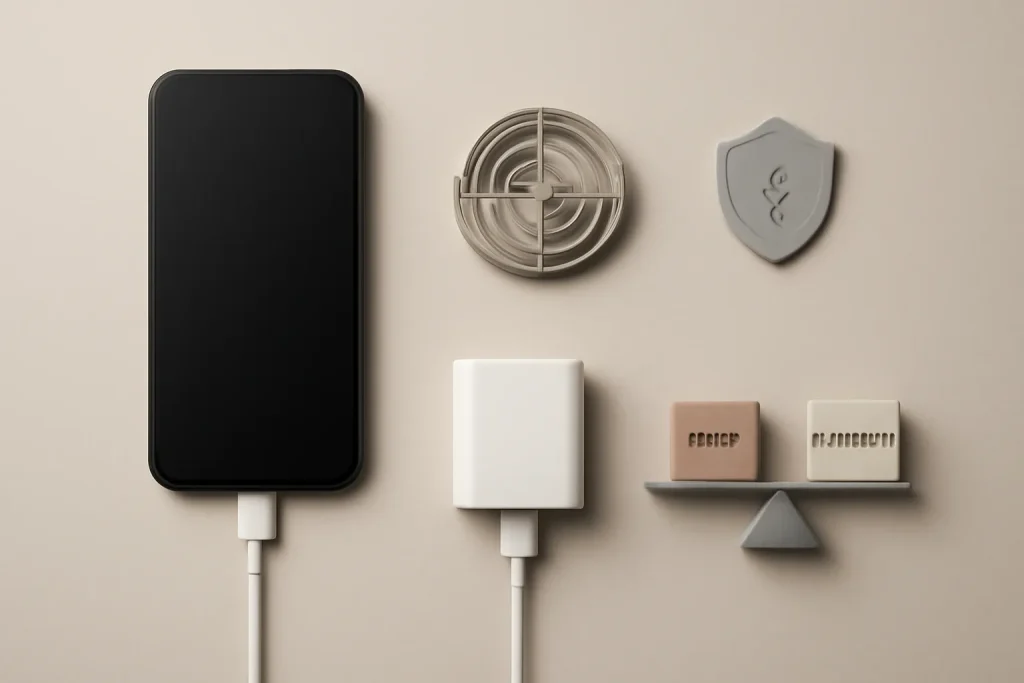
Next Steps: simple checklist to apply now
rnIf you want to care for the mobile phone battery without complication, follow this checklist:rnrn 1) Activate optimised/adaptive charging.rn 2) Keep a 20-80 % routine where possible; charge to 100 % only when you need to.rn 3) Use certified chargers/cables and avoid "generic" accessories without quality guarantees.rn 4) Reduce fast charge on long charging sessions and avoid using the phone for heavy tasks while it charges.rn 5) Prioritise temperature: ventilation, no direct sun, no charging under fabrics.rn 6) Update the system and use power‑saving/adaptive modes on demanding days.rnrnThese practices don’t make the battery everlasting, but they delay degradation and keep the phone more consistent over the years. For editorial transparency, the starting point of this guide was the original piece from TechNave: 7 Best Ways to Take Care of Your Phone Battery (2026 Edition).rnFAQ
- Does charging to 100 % always ruin the battery?
- It doesn’t "always ruin" it, but it increases the time at high voltage, which speeds wear over months/years. To care for the mobile phone battery, charge to 100 % when you need to and avoid making it the daily norm.
- Should I let the mobile phone discharge to 0 % to "calibrate" it?
- In modern batteries, frequent full discharges are not recommended. An occasional discharge can help align the percentage reading, but it doesn’t improve battery health and can increase stress.
- Is wireless charging worse than wired?
- It can generate more heat, depending on the charger, alignment and ventilation. If you use wireless charging, ensure good thermal dissipation and avoid charging in hot environments, to care for the mobile phone battery.
- Is it safe to use the phone while it charges?
- It’s safe with light use, but heavy tasks (games, 4K video, hotspot) while charging increase heat. Reducing that habit helps care for the mobile phone battery.
- How do I know if I should replace the battery?
- More than the "health" percentage, consider the impact: insufficient runtime for your day, sudden drops, abnormal heating or unexpected shutdowns. If these signs are frequent, replacement may be the solution.
Get more articles like this one.
Refurbished tech analysis + €5 with BEMVINDO5 on your first order.